Operations
28 February 2023
Crypto offers a new way to power tried-and-true brand loyalty
Bakkt is working with brands to stand up rewards programs using crypto.

Bakkt powers Apple Rewards. (Photo by Michał Kubalczyk on Unsplash)

Bakkt is working with brands to stand up rewards programs using crypto.
Cryptocurrency. NFTs. Web3.
These emerging technologies all hold the promise of unlocking new ways for brands and retailers to reach consumers, and build relationships over time.
Yet for professionals who work at the firms that sell goods, these technologies can be difficult to understand, and new concepts tend to show up frequently. After the pandemic’s digital boom, many people may understand that NFTs are one-of-a-kind digital tokens on a blockchain that are used to create ownership of a particular piece of media. But to put them to use, brands also have to understand tokengating, which is used to create tiers of access to a reward or experience.
But it’s not always required to understand all of the ins and outs of technology first. Rather, professionals must consider how they want to use it.
The concepts above are all being applied to a time-honored practice of commerce: Loyalty. From green shield stamps to grocery store clubs, retailers have long sought to create programs that provided shoppers with perks so that they identify with brands beyond the items they purchase, and increase the likelihood that they'll return.
“At the end of the day, the idea that [retailers] want to engage customers and maintain loyalty is not new,” Nancy Gordon, chief product officer for loyalty and rewards at Bakkt, a publicly traded digital asset platform, said from the floor of the NRF Big Show 2023. “What’s new is the technology.”
For Bakkt, crypto and loyalty go hand-in-hand. The platform employs the decentralized form of currency to help brands offer programs that provide rewards or create unique experiences for consumers.
Understanding how it all works together doesn’t require a deep knowledge of crypto. Rather, consider another concept that retailers have long embraced: rewards. In-person retail long revolved around driving people to the store. In a world of digital commerce, engagement with a brand can happen across many different touchpoints. Crypto enables this to happen.
“Your customers have lives outside of you, so therefore, one way to engage them is you reward them based upon the behaviors that they take with you. But that reward itself could be more flexible than just something that's in store,” Gordon said. “[It could be] catered towards your existing customer set or a core group of customers or communities. And if you really think about what they're interested in and opening up that funnel to allow them to do things with any currency that they may have collected, it winds up being an accelerator.”
Rewards are part of a brand experience. So there are advantages to being a facilitator, even if the end result isn’t a purchase from your brand. This cross-pollination is becoming more evident throughout the consumer economy. For instance, Lyft passengers can now earn Delta miles.
For example, a number of brands and retailers work with Bakkt to run a program for brands that allows customers to use loyalty currency to pay for Apple products.
Bakkt Chief Sales and Marketing Officer Mark Elliot said it's an example of a new model emerging for a rewards program where “I physically went to a store, and then I digitally bought something online from another brand, and the combo of those two unlocks something else."
Crypto makes it easier not only to pay for the item using reward currency, but also for brands to verify that consumers took the necessary steps.
"You could either do all the heavy lifting of integrating those two companies’ CRM systems, which is really, really hard and expensive. Or, the token is the proof that the customer did the number of things they needed to do across multiple brands to reach some new level of status or new experience or access something," Elliot said.
In the end, technology advances reduce complexity and create experiences that move across mediums. That holds true for crypto, just as it has with each new advance over time.
Campbell Soup Company CEO Mark Clouse offered thoughts on messaging amid inflationary shifts in consumer behavior.
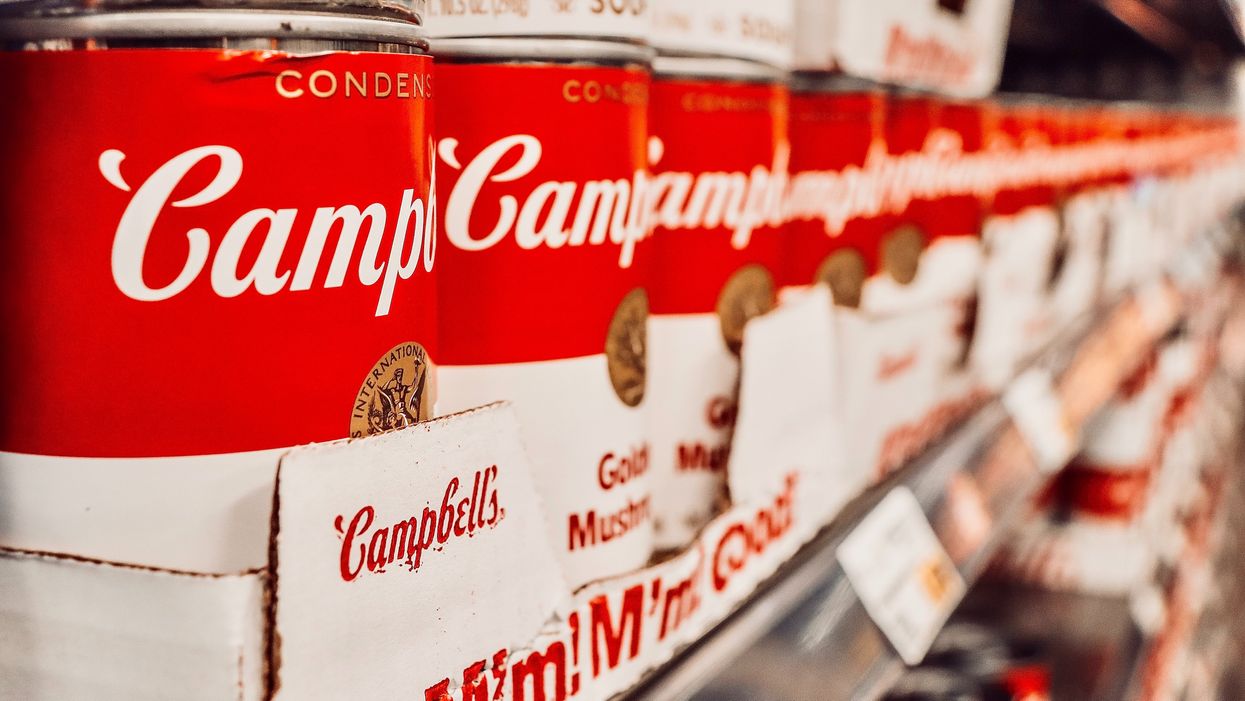
After months of elevated inflation and interest rate hikes that have the potential to cool demand, consumers are showing more signs of shifting behavior.
It’s showing up in retail sales data, but there’s also evidence in the observations of the brands responsible for grocery store staples.
The latest example came this week from Campbell Soup Company. CEO Mark Clouse told analysts that the consumer continues to be “resilient” despite continued price increases on food, but found that “consumers are beginning to feel that pressure” as time goes on.
This shows up in the categories they are buying. Overall, Clouse said Campbell sees a shift toward shelf-stable items, and away from more expensive prepared foods.
There is also change in when they make purchases. People are buying more at the beginning of the month. That’s because they are stretching paychecks as long as possible.
These shifts change how the company is communicating with consumers.
Clouse said the changes in behavior are an opportunity to “focus on value within our messaging without necessarily having to chase pricing all the way down.”
“No question that it's important that we protect affordability and that we make that relevant in the categories that we're in," Clouse said. "But I also think there's a lot of ways to frame value in different ways, right?”
A meal cooked with condensed soup may be cheaper than picking up a frozen item or ordering out. Consumers just need a reminder. Even within Campbell’s own portfolio, the company can elevate brands that have more value now, even if they may not always get the limelight.
The open question is whether the shift in behavior will begin to show up in the results of the companies that have raised prices. Campbell’s overall net sales grew 5% for the quarter ended April 30, while gross profit margins held steady around 30%. But the category-level results were more uneven. U.S. soup sales declined 11%, though the company said that was owed to comparisons with the quarter when supply chains reopened a year ago and expressed confidence that the category is seeing a longer-term resurgence as more people cook at home following the pandemic. Snacks, which includes Goldfish and Pepperidge Farm, were up 12% And while net sales increased overall, the amount of products people are buying is declining. Volumes were down 7%.
These are trends happening across the grocery store. Campbell is continuing to compete. It is leading with iconic brands, and a host of different ways to consume them. It is following that up with innovation that makes the products stand out. Then, it is driving home messaging that shows consumers how to fit the products into their lives, and even their tightening spending plans.
Campbell Soup is more than 150 years old, and has seen plenty of difficult economic environments. It is also a different business today, and will continue to evolve. At the end of the day, continued execution is what’s required.
“If it's good food, people are going to buy it, especially if it's a great value,” Clouse said.