Economy
11 November 2022
US consumers start November in a glum mood
Consumer sentiment index dropped to its lowest level since June's all-time lows, according to the University of Michigan.

Consumer sentiment index dropped to its lowest level since June's all-time lows, according to the University of Michigan.
November is known for bringing the SADs, and that carried over to the consumer mood this month.
In a preliminary data release for November, consumer sentiment was down sharply from October in the first weeks of November, according to the University of Michigan Survey of Consumers.
Sentiment to stat November fell 9% below October, to 54.7. That erases half of the gains that were made since the index hit an all-time low in June as inflation peaked, according to Survey director Joanne Hsu.
The prospects for buying durables, which are goods designed to last more than three years, have especially dimmed. Buying conditions in this category fell 21%, as rising interest rates from the Federal Reserve’s recent rate hikes compounded the impact of high prices during this period of 40-year-high inflation.
The flagging sentiment was observed across demographics, "regardless of age, education, income, geography or political affiliation," according to the Survey.
While sentiment has been near historic lows this year, there were some signs of optimism emerging in recent months. During that period, consumer spending held relatively stable in the face of rising prices. However, the Fed’s campaign of interest rate hikes are designed to cool demand, which could add to further dampen the spending mood.
The consumer sentiment report follows a separate consumer confidence reading from the Conference Board for October that showed a more pessimistic mood heading into the holidays. The UMich survey had ticked up in October, but only slightly. Yet it was notable that buying conditions for durables rose 23% in that report, where they fell nearly the same amount here.
Survey of Consumers Director Joanne Hsu wrote that this latest dip in sentiment suggests that the gains made in recent months were “tentative.”
“Instability in sentiment is likely to continue, a reflection of uncertainty over both global factors and the eventual outcomes of the election,” Hsu said.
When it comes to consumers’ outlook for inflation, there is more stability, even at a time when prices continue to be elevated. Little changed from the prior month in November so far. The median expected year-ahead inflation rate was 5.1%, up from 5% last month. Long-term expectations are currently at 3%. This measure is watched by the Federal Reserve for signs that consumers are viewing inflation as a feature of the economy for the near future, rather than a bug. If they expect high prices, they may ask for raises, which would in turn continue to drive prices up, and lead inflation to become more entrenched.
These expectations have been “elevated,” but have remained in a narrow 2.9-3.1% range for 15 of the last 16 months, indicating that expectations aren’t changing. Fed Chair Jerome Powell has indicated during this period that inflation expectations remain “well anchored," but he stressed that the central bank does not want to see inflation last long enough to become entrenched.
There’s one caveat: This measure came before the October reading of the Consumer Price Index showed inflation had cooled to 7.7% for the month. But inflation is still very high, and the index makes clear that inflation isn’t the only thing shaping feelings. Politics and war are there. Recession worries for 2023 and beyond loom. Now monetary policy is a factor, too. As the Fed’s rate hikes work their way through the economy and begin to show up in mortgages, car loans and other interest rates, the index suggests they could become the next reason that people pull back on discretionary spending.
Campbell Soup Company CEO Mark Clouse offered thoughts on messaging amid inflationary shifts in consumer behavior.
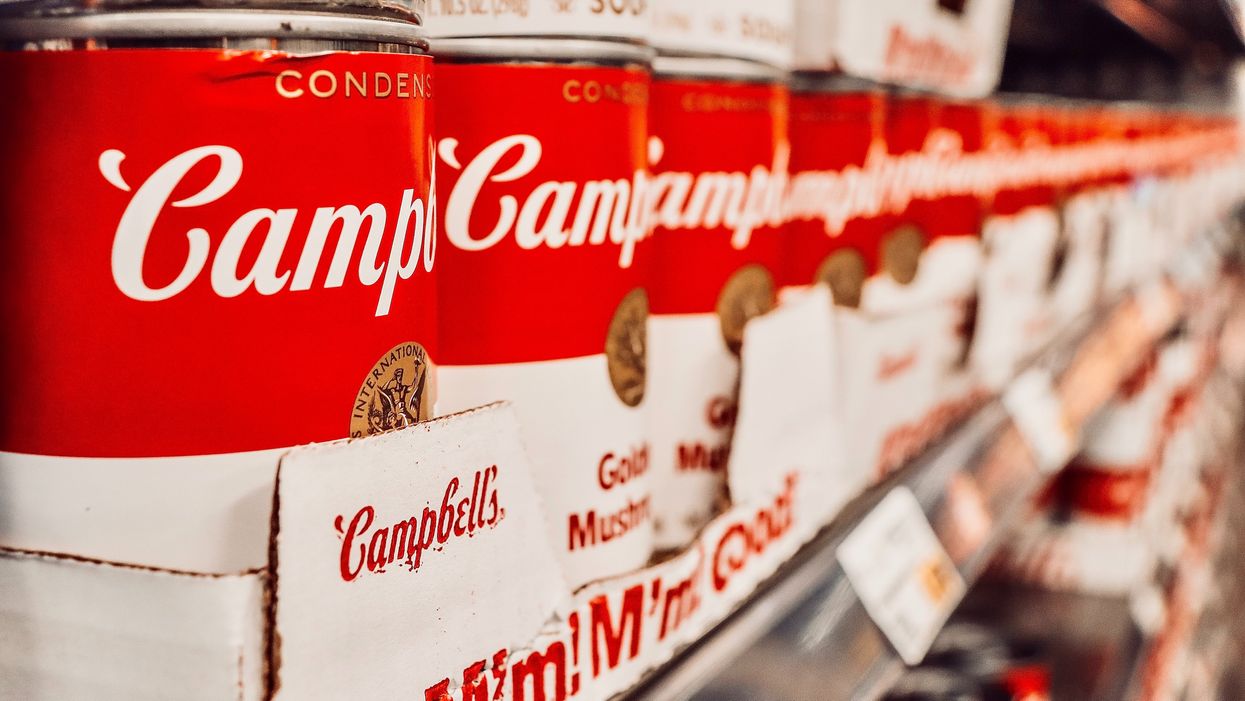
After months of elevated inflation and interest rate hikes that have the potential to cool demand, consumers are showing more signs of shifting behavior.
It’s showing up in retail sales data, but there’s also evidence in the observations of the brands responsible for grocery store staples.
The latest example came this week from Campbell Soup Company. CEO Mark Clouse told analysts that the consumer continues to be “resilient” despite continued price increases on food, but found that “consumers are beginning to feel that pressure” as time goes on.
This shows up in the categories they are buying. Overall, Clouse said Campbell sees a shift toward shelf-stable items, and away from more expensive prepared foods.
There is also change in when they make purchases. People are buying more at the beginning of the month. That’s because they are stretching paychecks as long as possible.
These shifts change how the company is communicating with consumers.
Clouse said the changes in behavior are an opportunity to “focus on value within our messaging without necessarily having to chase pricing all the way down.”
“No question that it's important that we protect affordability and that we make that relevant in the categories that we're in," Clouse said. "But I also think there's a lot of ways to frame value in different ways, right?”
A meal cooked with condensed soup may be cheaper than picking up a frozen item or ordering out. Consumers just need a reminder. Even within Campbell’s own portfolio, the company can elevate brands that have more value now, even if they may not always get the limelight.
The open question is whether the shift in behavior will begin to show up in the results of the companies that have raised prices. Campbell’s overall net sales grew 5% for the quarter ended April 30, while gross profit margins held steady around 30%. But the category-level results were more uneven. U.S. soup sales declined 11%, though the company said that was owed to comparisons with the quarter when supply chains reopened a year ago and expressed confidence that the category is seeing a longer-term resurgence as more people cook at home following the pandemic. Snacks, which includes Goldfish and Pepperidge Farm, were up 12% And while net sales increased overall, the amount of products people are buying is declining. Volumes were down 7%.
These are trends happening across the grocery store. Campbell is continuing to compete. It is leading with iconic brands, and a host of different ways to consume them. It is following that up with innovation that makes the products stand out. Then, it is driving home messaging that shows consumers how to fit the products into their lives, and even their tightening spending plans.
Campbell Soup is more than 150 years old, and has seen plenty of difficult economic environments. It is also a different business today, and will continue to evolve. At the end of the day, continued execution is what’s required.
“If it's good food, people are going to buy it, especially if it's a great value,” Clouse said.