Retail Media
02 May 2023
5 upgrades Amazon Ads announced at IAB Newfronts
Amazon DSP, Thursday Night Football and live shopping are adding capabilities.

Thursday Night Football is getting an advertising upgrade. (Courtesy photo)

Amazon DSP, Thursday Night Football and live shopping are adding capabilities.
Thursday Night Football is getting an advertising upgrade. (Courtesy photo)
Advertisers were rolling out their latest updates at IAB Newfronts on Monday, as the digital content marketplace gathered media buyers in New York.
That included Amazon, which has an increasingly widening inventory and broader capabilities in targeting and measurement across commerce channels and content such as Thursday Night Football.
From the stage, Amazon Ads shared several updates across its products. Here are the highlights:
Shopping live: Amazon Live is moving beyond influencers. The live shopping platform will now produce shoppable livestreaming content with publishers and media brands. This will allow viewers to shop for more products while watching content. One example is already live via shoppable content from Tastemade and Struggle meals. Revolt, which is run by Sean “Diddy” Combs, will also debut shoppable content later in May.
Streaming measurement: VideoAmp and iSpot were named streaming TV measurement providers for Amazon, bringing cross-screen capabilities that complement Amazon’s first-party measurement.
Audiences in the Cloud: Amazon Marketing Cloud said it will roll out a feature called Audiences worldwide. This allows brands to create and update Amazon DSP audiences with AMC, which is a privacy-safe space for advertisers to bring together and analyze data.
Thursday Night Football segmenting: When the new season of Thursday Night Football debuts in the fall, advertisers will be able to segment audiences to provide relevant content based on geography, demographics and behavioral signals. “For example, an automotive brand could run a sports-car ad to a younger-adult audience, an SUV spot to a sports and outdoors audience, and an overarching brand spot to all other Thursday Night Football viewers—all simultaneously within the same 30-second ad position,” Amazon writes.
Omnichannel metrics are set to expand beyond CPG to categories including auto, softline and hardline. This is designed to provide more tools to plan and measure campaigns across Amazon and third-party retailers.
One more from DSP: Ahead of Newfronts, Amazon also shared that its demand-side platform is now using more advanced machine learning models and optimized campaign control systems. Called Amazon DSP, this advertising technology helps advertisers programmatically buy ads on Amazon, and beyond. At a time when third-party cookies are falling out of favor, Amazon DSP counts the first-party environment of Amazon as the base for algorithmic buying. The new upgrades will help to improve bidding and pacing decisions. Amazon said it’s a move to help advertisers reach “previously unaddressable audiences.”
“We know that every percentage point of improvement counts to advertisers, and these new upgrades have helped increase engagement and return on ad spend,” said Neal Richter, director of Amazon DSP Technology, in a statement. “We’re excited to introduce these enhancements at a time when brands are especially focused on improving cost-efficiency and delivering results.”
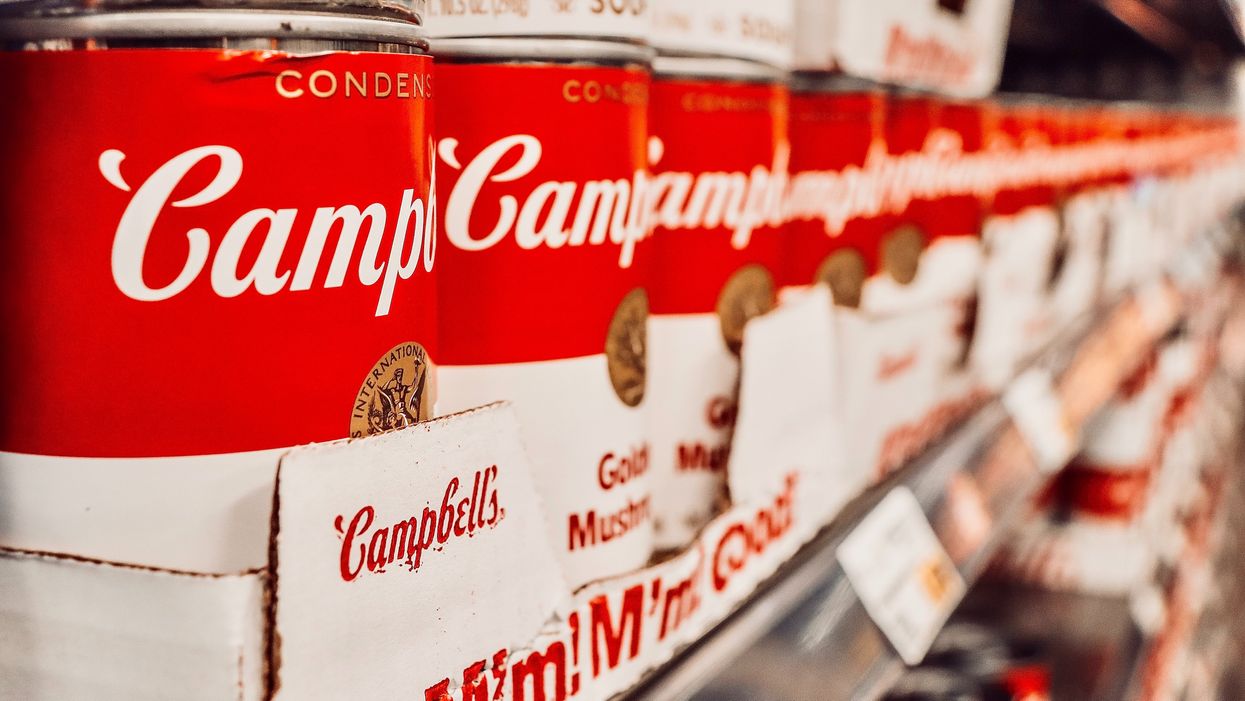
Campbell Soup Company CEO Mark Clouse offered thoughts on messaging amid inflationary shifts in consumer behavior.
After months of elevated inflation and interest rate hikes that have the potential to cool demand, consumers are showing more signs of shifting behavior.
It’s showing up in retail sales data, but there’s also evidence in the observations of the brands responsible for grocery store staples.
The latest example came this week from Campbell Soup Company. CEO Mark Clouse told analysts that the consumer continues to be “resilient” despite continued price increases on food, but found that “consumers are beginning to feel that pressure” as time goes on.
This shows up in the categories they are buying. Overall, Clouse said Campbell sees a shift toward shelf-stable items, and away from more expensive prepared foods.
There is also change in when they make purchases. People are buying more at the beginning of the month. That’s because they are stretching paychecks as long as possible.
These shifts change how the company is communicating with consumers.
Clouse said the changes in behavior are an opportunity to “focus on value within our messaging without necessarily having to chase pricing all the way down.”
“No question that it's important that we protect affordability and that we make that relevant in the categories that we're in," Clouse said. "But I also think there's a lot of ways to frame value in different ways, right?”
A meal cooked with condensed soup may be cheaper than picking up a frozen item or ordering out. Consumers just need a reminder. Even within Campbell’s own portfolio, the company can elevate brands that have more value now, even if they may not always get the limelight.
The open question is whether the shift in behavior will begin to show up in the results of the companies that have raised prices. Campbell’s overall net sales grew 5% for the quarter ended April 30, while gross profit margins held steady around 30%. But the category-level results were more uneven. U.S. soup sales declined 11%, though the company said that was owed to comparisons with the quarter when supply chains reopened a year ago and expressed confidence that the category is seeing a longer-term resurgence as more people cook at home following the pandemic. Snacks, which includes Goldfish and Pepperidge Farm, were up 12% And while net sales increased overall, the amount of products people are buying is declining. Volumes were down 7%.
These are trends happening across the grocery store. Campbell is continuing to compete. It is leading with iconic brands, and a host of different ways to consume them. It is following that up with innovation that makes the products stand out. Then, it is driving home messaging that shows consumers how to fit the products into their lives, and even their tightening spending plans.
Campbell Soup is more than 150 years old, and has seen plenty of difficult economic environments. It is also a different business today, and will continue to evolve. At the end of the day, continued execution is what’s required.
“If it's good food, people are going to buy it, especially if it's a great value,” Clouse said.