Operations
12 May 2023
YETI: Data-driven analytics, collaboration key for marketing
The DTC brand recently brought oversight of all sales channels under the chief commercial officer role.

Photo by William King on Unsplash

The DTC brand recently brought oversight of all sales channels under the chief commercial officer role.
A data-based approach to marketing is providing sometimes unexpected insights that are helping YETI drive demand for its outdoor-ready coolers and drinkware products.
On the company’s earnings call to recap the first quarter, CEO Matt Reintjes was asked about what strategies for performance marketing are working in 2023. While he spoke from a high-level, Reintjes’ answers yielded insights about how the brand builds its marketing operation, and centers data.
“We actually have a very integrated approach to how we build the funnel from top to bottom,” Reintjes said.
Key to this is the brand’s advanced analytics team, which gains an understanding about the consumer and consumer behavior, particularly in the U.S. In turn, that has a direct impact on how the brand allocates performance marketing dollars.
The brand’s chief marketing officer and chief commercial office collaborate on a “weekly and sometimes daily evolution” that determines the resources that the company puts toward the top of the funnel, the mid-funnel and closer to the transaction.
“We had some great things come out of our advanced analytics team in looking at demographics, in geographies, with affinities for categories and then applying things in front of consumers at that point. And the results we're seeing in those, we're now expanding those results more nationally,” Reintjes said.
The analytics are yielding insights about specific products, categories and how different groups have affinities for each. In turn, that influences how the brand allocates performance marketing spend, and also drives brand awareness in specific demos and geos.
“We're excited by what we're seeing,” Reintjes said. “The answer has not always been intuitive. And so seeing sort of a data-driven focus on that, I think it's going to lead to some really nice opportunities for us.”
The brand has also been bolstered by a leadership move to take an integrated approach to sales channels. YETI recently moved to place management of all commercial channels under the role of chief commercial officer, which is held by S. Faiz Ahmad.
“This allows for the uniqueness of each channel, but also the incredible opportunity for knowledge sharing,” Reintjes said. “We are already seeing the benefits of this new structure. At the highest level, this ensures we are positioned to deliver consistent, high-impact experiences wherever we interact with our customers or consumers. This starts at YETI.com, where we are elevating the consumer experience in amplifying product positioning.”
In the end, it allows the brand to communicate both innovation in products, tell its story to consumers and communicate across a variety of channels such as direct-to-consumer, wholesale and ecommerce marketplace channels.
“Brand and product come together in our go-to-market and how we reach consumers around the globe when and where they want to shop,” Reintjes said. “This is central to our belief in the importance and balance of wholesale and DTC channels to market.”
Campbell Soup Company CEO Mark Clouse offered thoughts on messaging amid inflationary shifts in consumer behavior.
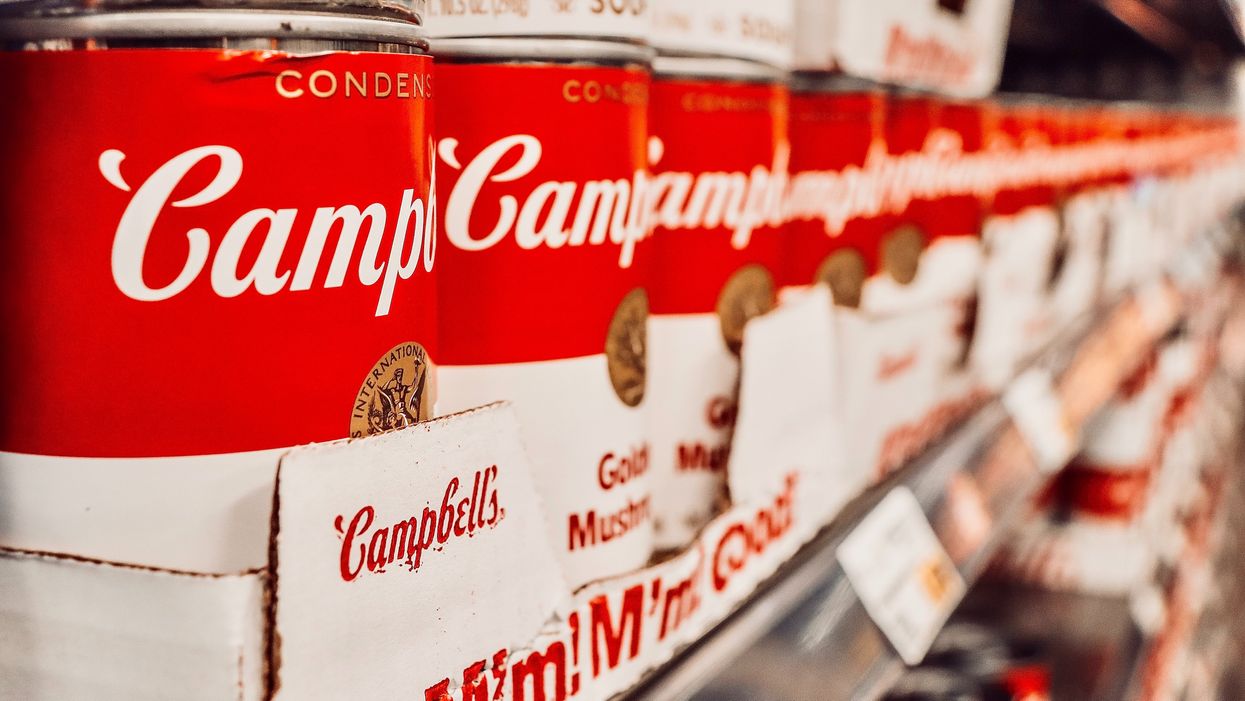
After months of elevated inflation and interest rate hikes that have the potential to cool demand, consumers are showing more signs of shifting behavior.
It’s showing up in retail sales data, but there’s also evidence in the observations of the brands responsible for grocery store staples.
The latest example came this week from Campbell Soup Company. CEO Mark Clouse told analysts that the consumer continues to be “resilient” despite continued price increases on food, but found that “consumers are beginning to feel that pressure” as time goes on.
This shows up in the categories they are buying. Overall, Clouse said Campbell sees a shift toward shelf-stable items, and away from more expensive prepared foods.
There is also change in when they make purchases. People are buying more at the beginning of the month. That’s because they are stretching paychecks as long as possible.
These shifts change how the company is communicating with consumers.
Clouse said the changes in behavior are an opportunity to “focus on value within our messaging without necessarily having to chase pricing all the way down.”
“No question that it's important that we protect affordability and that we make that relevant in the categories that we're in," Clouse said. "But I also think there's a lot of ways to frame value in different ways, right?”
A meal cooked with condensed soup may be cheaper than picking up a frozen item or ordering out. Consumers just need a reminder. Even within Campbell’s own portfolio, the company can elevate brands that have more value now, even if they may not always get the limelight.
The open question is whether the shift in behavior will begin to show up in the results of the companies that have raised prices. Campbell’s overall net sales grew 5% for the quarter ended April 30, while gross profit margins held steady around 30%. But the category-level results were more uneven. U.S. soup sales declined 11%, though the company said that was owed to comparisons with the quarter when supply chains reopened a year ago and expressed confidence that the category is seeing a longer-term resurgence as more people cook at home following the pandemic. Snacks, which includes Goldfish and Pepperidge Farm, were up 12% And while net sales increased overall, the amount of products people are buying is declining. Volumes were down 7%.
These are trends happening across the grocery store. Campbell is continuing to compete. It is leading with iconic brands, and a host of different ways to consume them. It is following that up with innovation that makes the products stand out. Then, it is driving home messaging that shows consumers how to fit the products into their lives, and even their tightening spending plans.
Campbell Soup is more than 150 years old, and has seen plenty of difficult economic environments. It is also a different business today, and will continue to evolve. At the end of the day, continued execution is what’s required.
“If it's good food, people are going to buy it, especially if it's a great value,” Clouse said.