Operations
27 March 2023
True Botanicals, Momofuku Goods raise; Scotch & Soda acquired
Dealboard has funding news from L'Oréal, StoreForce, Mad Rabbit Tattoo and more.
True Botanicals. (Courtesy photo)
This week, skincare brand True Botanicals, Shark Tank alum Mad Rabbit Tattoo and CPG spinout Momofuku Goods raise new funds, while Scotch & Soda finds a new parent after bankruptcy. On the tech investment front, there's new funding for sustainable beauty ingredients and no-code mobile apps.
Check out the latest deals:

True Botanicals, a clean skincare brand, closed on a Series B investment round from San Francisco-based growth equity firm NextWorld Evergreen. The digitally native brand is seeking to grow in retailers. It currently has a presence in Nordstrom, Credo Beauty and The Detox Market. The size of the investment was not disclosed.
The brand said it now has an all-female board, including:
Specialty retail platform StoreForce announced a new investment from Accel-KKR, a private equity firm.
StoreForce offers a range of data-driven tools, including workforce and performance management, retail execution and employee engagement, among others. Customers include Asics, Crate & Barrel, Lids and more.
With the funding, StoreForce will seek to grow through organic and M&A opportunities in markets across the globe.
“In the current dynamic market in retail such as the continual convergence of digital and brick-and mortar channels, a changing workforce and the constant need to optimize store performance, one thing remains unchanged: delivering superior customer experience. StoreForce’s offerings deliver proven ROI by helping specialty retailers gain a competitive edge and drive rapid sales growth,” said Nishant Patel, Principal at Accel-KKR, in a statement.
Terms of the investment were not disclosed.
Vue Storefront, a ‘front-end-as-a-service platform for ecommerce, raised $20 million in a Series A+ round, TechCrunch reported.
The financing was led by Felix Capital, with participation from Mirakl CEO Philippe Corrot, Mirakl head of engineering Nagi Letaifa, as well as existing investors Creandum, Earlybird and SquareOne.
The company is building a composable suite of tools for the front-end of ecommerce, aligning the how backend architecture is evolving. Along with the funding, Tim Drijvers joined as CTO from SendCloud.
Geno, a biotech venture developing ingredients that offer a sustainable alternative to current beauty and personal care chemicals, received a new investment from L'Oréal. The beauty company joins Unilever and Kao Corporation as founding members of Geno.
Geno uses engineered microorganisms to ferment plant sugars that produce ingredients to make sustainable surfactants. The ingredients will be used in a range of L'Oréal’s products.
"Welcoming L'Oréal to this incredible team of global brand heavyweights signifies just how important and urgent the need is for traceable, resilient and sustainable materials, at scale,” said Christophe Schilling, CEO of Geno, in a statement.
L'Oréal's commitment further validates Geno's ability to deliver at scale and accelerates our journey toward reducing global carbon emissions by over 100 million tons in the upcoming years by targeting large-scale material markets.
Momofuku Goods raised $17.5 million in a Series A round, led by Sidhi Capital, according to Retail Dive. Momofuku Goods is the CPG arm of the culinary ventures run by Chef David Chang. Through DTC and retail channels, it sells chili crunch, air-dried noodles, soy sauce and seasoned salts.
“We spent a decade testing and developing our pantry essentials, ensuring that they were up to the standards we uphold in our restaurants,” said Chang, in a statement. “With this investment, I’m looking forward to bringing even more flavor to home cooks’ kitchens.”
Tattoo aftercare brand Mad Rabbit raised $10 million in a Series A funding round.
The financing was led by Lucas Brand Equity, with participation from Mark Cuban, H Venture Partners, and other notable investors.
ABC’s Shark Tank alum Mad Rabbit makes tattoo products with natural ingredients, available through DTC, Verishop and vitaminshoppe.com, as well as Urban Outfitters and GNC. They are designed to promote healing following tattoo application. With the funding, the brand plans to expand its product line, increase marketing and grow its team.
Appbrew, a no-code platform helping Shopify brands build mobile apps, raised $2 million in seed funding.
Accel led the financing, with participation from Riverside Ventures and angels.
Founded in 2022, Appbrew is designed to enable brands to build and launch native mobile apps in iOS and Android. It comes as 74% of retail traffic came from smartphones in Q4, according to the company.
“In the current environment of expensive performance marketing, Appbrew increases brand profitability by improving conversion rates and retaining loyal customers. Their emphasis on enhancing mobile shopping experience piqued our interest, and we are pleased to be part of their mission,” said Pratik Agarwal, principal at Accel, in a statement.
Outdoor brand Topo Designs received an equity investment from Gart Capital Partners in its first outside funding round after about 15 years in business.
The funding will help to raise brand awareness and expand customer acquisition programs across DTC channels, as well as expand in wholesale.
"In Topo Designs, we saw a unique opportunity to invest in a differentiated outdoor brand with unmatched authenticity and credibility, as well as a strong mission dedicated to helping all people explore and enjoy the outdoors, however it is that they define it," said Alex Gart, a partner at Gart Capital, in a statement.
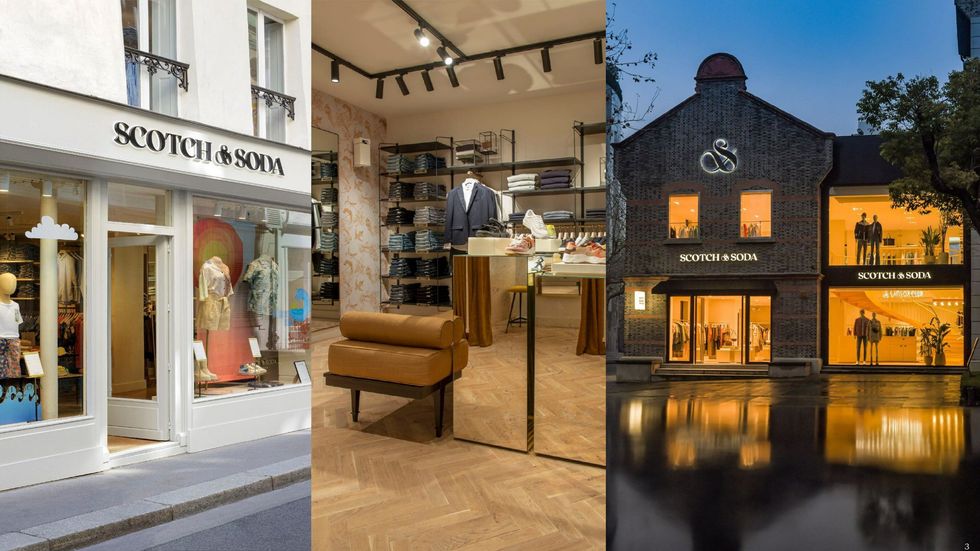
Scotch & Soda stores. (Courtesy photo)
Scotch & Soda, a Dutch fashion brand, was acquired out of bankruptcy by Bluestar Alliance, a brand management company.
With the move, Scotch & Soda joins a portfolio that also includes Hurley, Bebe and Tahari.
"The niche brand sits on its own and attracts a younger fashion-conscious consumer who appreciates fine craftmanship and attention to detail," said Bluetar COO Ralph Gindi. "Our goal is to continue Scotch & Soda's luxury retail distribution strategy, while also introducing the brand to more trendsetters, especially those looking to express their personality through their clothing.”
A statement from the law firm Jones Day said not all Scotch & Soda employees will be kept onboard, but called the Bluestar deal “by far the best deal for all stakeholders involved.”
At the time of bankruptcy, Scotch & Soda operated 252 stores, and had goods in 7,000 retail doors. It was previously owned by Sun Capital Partners.