Shopper Experience
03 January 2023
Neutrogena creates gummy skin supplements with AI, 3D printing
The partnership with Nourished points to how products are being built for personalization and routines.


The partnership with Nourished points to how products are being built for personalization and routines.
Skincare will be the focus of at least one of the many new tech products that are set to be unveiled this week at the Consumer Electronics Show in Las Vegas.
The news: Skincare brand Neutrogena and 3D-printed vitamin maker Nourished are pooling expertise in AI and advanced manufacturing to create a new line of supplements that are designed for skin health. Called Neutrogena Skin360 Skinstacks, the product combines results of a quiz and customer skincare goals to recommend a stack of gummy supplements and topical routine.
How it works:
Key quote: “At Neutrogena, we are grounded in the belief that beauty begins with healthy skin and are proud of a heritage that consistently delivers skincare solutions built at the intersection of science and technology, in a way that makes sophisticated science simple and inclusive for our consumers,” said Roberto Khoury, senior vice president at Johnson & Johnson brand Neutrogena, in a statement. “Working with Nourished allows us to further that commitment by marrying our award-winning digital skin assessment with Nourished[‘s] elegant 3D printing technology to create on-demand dietary supplements to help consumers meet their personal skincare goals.”
Trends to watch:
Partnership: When it comes to technology, the question before brands is often posed as, build or buy? Partnership offers a third way. Neutrogena has an AI assessment tool that the brand said was developed using 10,000 facial databases across ethnicities, skin types and ages, as well as 10 types of lighting. Nourished is bringing the rapid, automated manufacturing of 3D printing to consumable products that are designed for wellness. Joining forces allowed the brands to complement each other’s capabilities, with emerging technology applied both in the “bits” of the digital shopping experience and the “atoms” of production and logistics.
Personalization: Increasingly, consumers want products that are made for them, and advances in AI are making it possible. SkinStacks is built for this at each step, from the skin assessment to the incorporation of consumer priorities to the flavor selection to the on-demand ordering.
Built for routine: Consumers think about products in groups. Just as they need ingredients to make a full meal, they want goods that will fit into a full beauty routine, and supplements are becoming a bigger part of it. In this case, nutrition and beauty are coming together, pointing to a future where it's all part of the same package. The creation of a “stack” of products indicates that these brands are thinking in bundles, too. Given how the products are tuned to preference and taken regularly, it's also easy to see these orders being easily replenished, which sets them up for repeat buying.
Campbell Soup Company CEO Mark Clouse offered thoughts on messaging amid inflationary shifts in consumer behavior.
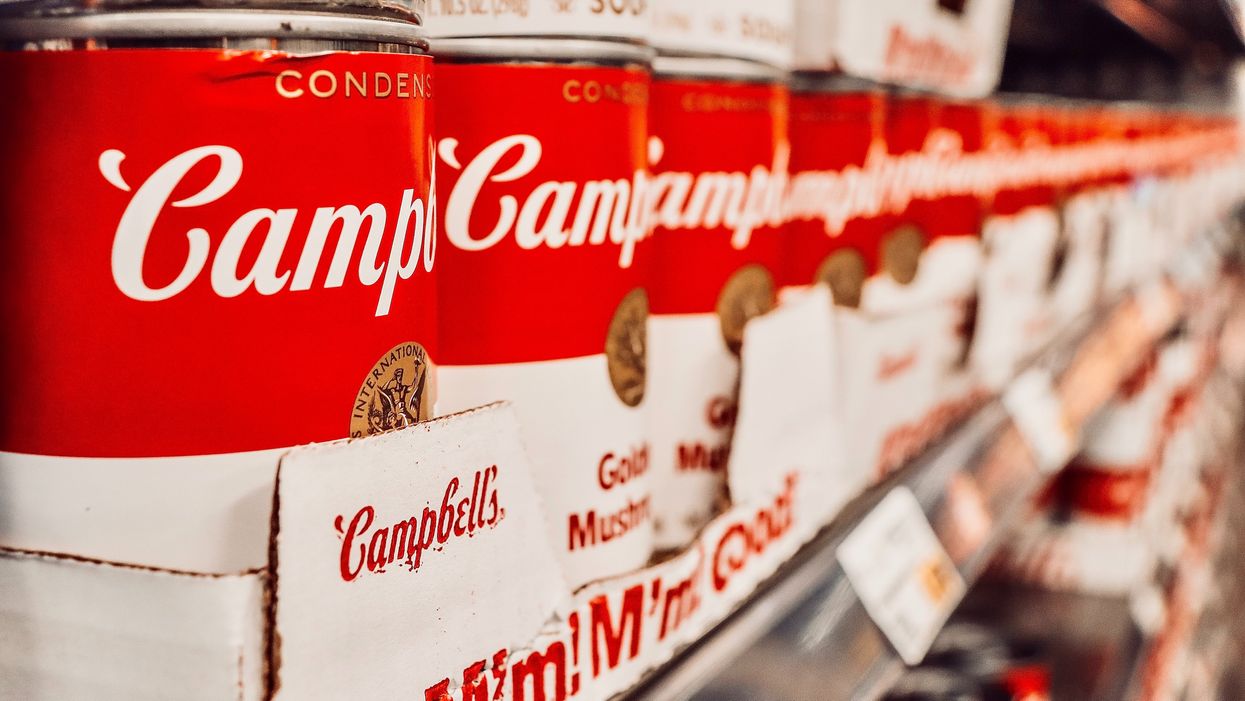
After months of elevated inflation and interest rate hikes that have the potential to cool demand, consumers are showing more signs of shifting behavior.
It’s showing up in retail sales data, but there’s also evidence in the observations of the brands responsible for grocery store staples.
The latest example came this week from Campbell Soup Company. CEO Mark Clouse told analysts that the consumer continues to be “resilient” despite continued price increases on food, but found that “consumers are beginning to feel that pressure” as time goes on.
This shows up in the categories they are buying. Overall, Clouse said Campbell sees a shift toward shelf-stable items, and away from more expensive prepared foods.
There is also change in when they make purchases. People are buying more at the beginning of the month. That’s because they are stretching paychecks as long as possible.
These shifts change how the company is communicating with consumers.
Clouse said the changes in behavior are an opportunity to “focus on value within our messaging without necessarily having to chase pricing all the way down.”
“No question that it's important that we protect affordability and that we make that relevant in the categories that we're in," Clouse said. "But I also think there's a lot of ways to frame value in different ways, right?”
A meal cooked with condensed soup may be cheaper than picking up a frozen item or ordering out. Consumers just need a reminder. Even within Campbell’s own portfolio, the company can elevate brands that have more value now, even if they may not always get the limelight.
The open question is whether the shift in behavior will begin to show up in the results of the companies that have raised prices. Campbell’s overall net sales grew 5% for the quarter ended April 30, while gross profit margins held steady around 30%. But the category-level results were more uneven. U.S. soup sales declined 11%, though the company said that was owed to comparisons with the quarter when supply chains reopened a year ago and expressed confidence that the category is seeing a longer-term resurgence as more people cook at home following the pandemic. Snacks, which includes Goldfish and Pepperidge Farm, were up 12% And while net sales increased overall, the amount of products people are buying is declining. Volumes were down 7%.
These are trends happening across the grocery store. Campbell is continuing to compete. It is leading with iconic brands, and a host of different ways to consume them. It is following that up with innovation that makes the products stand out. Then, it is driving home messaging that shows consumers how to fit the products into their lives, and even their tightening spending plans.
Campbell Soup is more than 150 years old, and has seen plenty of difficult economic environments. It is also a different business today, and will continue to evolve. At the end of the day, continued execution is what’s required.
“If it's good food, people are going to buy it, especially if it's a great value,” Clouse said.