Retail Channels
06 January 2023
Is ecommerce + wholesale a new DTC one-two punch?
Beauty brand Morphe is closing its US stores. Pullback or visionary?
Photo by Victoria Kennedy on Unsplash

Beauty brand Morphe is closing its US stores. Pullback or visionary?
Beauty brand Morphe is closing its own-brand US stores and shifting its focus to digital and wholesale channels.
“We have made the difficult decision to close all Morphe stores in the U.S.,” the brand wrote on Twitter. “We are forever grateful to our store teams for their passion, talent and dedication over the years.”
A spokesperson provided a more detailed statement to WWD:
“Following a careful evaluation of all aspects of our business, we have made the strategic decision to enhance our focus on the company’s wholesale and ecommerce operations going forward. We believe this shift will position Morphe to better compete in the broader beauty landscape and more efficiently reach our customers where and how they shop.”
Here’s the quick history of the brand:
Founded in 2008 by Chris and Linda Tawil, Morphe grew from a makeup brush company into a global beauty brand by combining the DTC tactics of low prices and influencer partnerships that helped its products go viral, Bloomberg reported.
Eventually, it opened a slate of physical stores that grew to about 20 locations in the US, per its website. It has 11 international stores, and is available at hundreds of wholesale locations through Target, Ulta Beauty and Sephora Canada.
In 2019, investment firm General Atlantic purchased a 60% equity stake in the brand, valuing it at $2.2 billion.
In 2020, it became a portfolio company of Forma Brands, which was positioned as an incubator of next-gen beauty brands. But in October of this year, Forma signaled that it was mulling bankruptcy. As Beauty Packaging wrote at the time struggles were traced to the pandemic-prompted dip in demand for color cosmetics sales, supply chain issues and the severing of its partnerships with influencers Jeffree Star and James Charles over controversies in subsequent years.
Two views on what this means:
More belt tightening: On one hand, this is another pullback in a tough week for retail. Amazon, Stitch Fix, Helen of Troy and Everlane all announced layoffs, while Macy’s said it will close four locations and Bed Bath & Beyond said it is considering bankruptcy. Boxed is exploring a possible sale. The economic about-face wrought by inflation is leading to a post-holiday shakeout that is happening just days into 2022, and Morphe could be another example. Forma’s move to raise the specter of bankruptcy is an especially worrying sign.
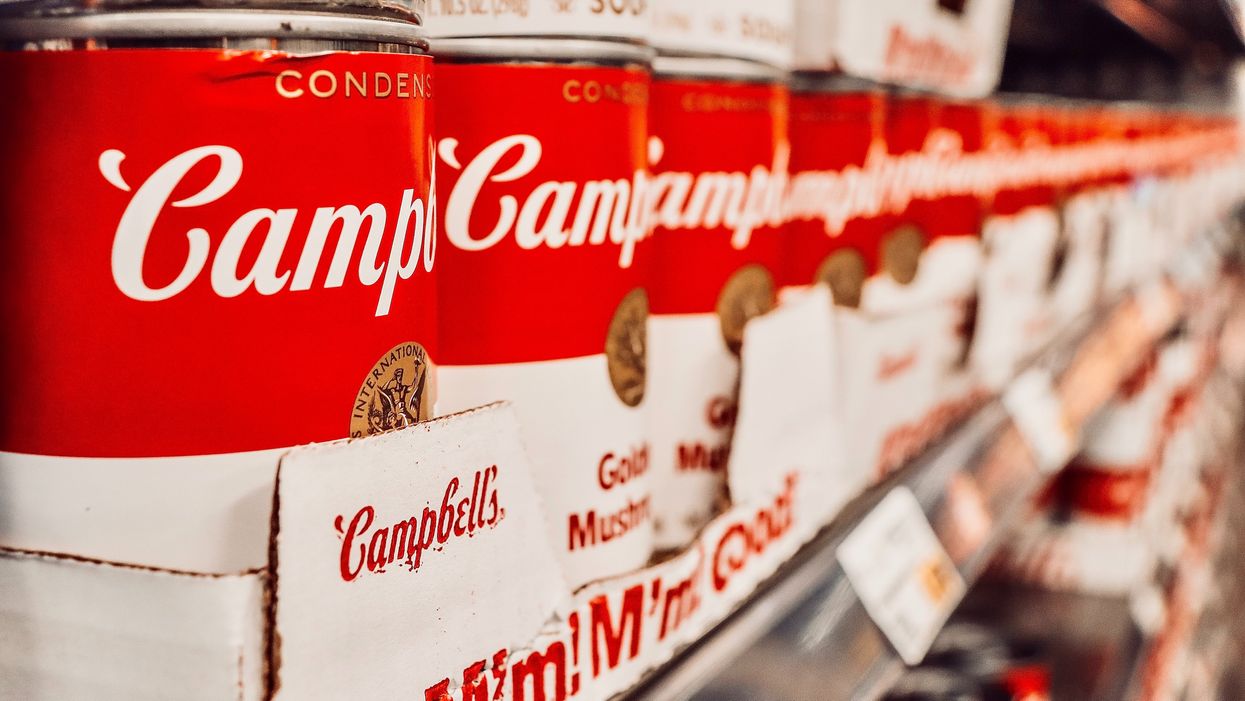
Digital + Wholesale: On the other hand, the focus on ecommerce and wholesale could be a sign of the times, as well. Once, opening stores was a path to achieve a new level of growth for digitally-native brands. But deals signed by darlings like Glossier and Allbirds in the last year have proven that there is opportunity in wholesale, as well. Operating stores is expensive, and it becomes even more difficult to drive traffic without wraparound services that give people a reason to visit (Think: Warby Parker’s eye exams). It begs the question, will more brands see ecommerce + wholesale as a viable strategy going forward? Perhaps Morphe will be a trendsetter once again.Campbell Soup Company CEO Mark Clouse offered thoughts on messaging amid inflationary shifts in consumer behavior.
After months of elevated inflation and interest rate hikes that have the potential to cool demand, consumers are showing more signs of shifting behavior.
It’s showing up in retail sales data, but there’s also evidence in the observations of the brands responsible for grocery store staples.
The latest example came this week from Campbell Soup Company. CEO Mark Clouse told analysts that the consumer continues to be “resilient” despite continued price increases on food, but found that “consumers are beginning to feel that pressure” as time goes on.
This shows up in the categories they are buying. Overall, Clouse said Campbell sees a shift toward shelf-stable items, and away from more expensive prepared foods.
There is also change in when they make purchases. People are buying more at the beginning of the month. That’s because they are stretching paychecks as long as possible.
These shifts change how the company is communicating with consumers.
Clouse said the changes in behavior are an opportunity to “focus on value within our messaging without necessarily having to chase pricing all the way down.”
“No question that it's important that we protect affordability and that we make that relevant in the categories that we're in," Clouse said. "But I also think there's a lot of ways to frame value in different ways, right?”
A meal cooked with condensed soup may be cheaper than picking up a frozen item or ordering out. Consumers just need a reminder. Even within Campbell’s own portfolio, the company can elevate brands that have more value now, even if they may not always get the limelight.
The open question is whether the shift in behavior will begin to show up in the results of the companies that have raised prices. Campbell’s overall net sales grew 5% for the quarter ended April 30, while gross profit margins held steady around 30%. But the category-level results were more uneven. U.S. soup sales declined 11%, though the company said that was owed to comparisons with the quarter when supply chains reopened a year ago and expressed confidence that the category is seeing a longer-term resurgence as more people cook at home following the pandemic. Snacks, which includes Goldfish and Pepperidge Farm, were up 12% And while net sales increased overall, the amount of products people are buying is declining. Volumes were down 7%.
These are trends happening across the grocery store. Campbell is continuing to compete. It is leading with iconic brands, and a host of different ways to consume them. It is following that up with innovation that makes the products stand out. Then, it is driving home messaging that shows consumers how to fit the products into their lives, and even their tightening spending plans.
Campbell Soup is more than 150 years old, and has seen plenty of difficult economic environments. It is also a different business today, and will continue to evolve. At the end of the day, continued execution is what’s required.
“If it's good food, people are going to buy it, especially if it's a great value,” Clouse said.