Marketing
02 August 2022
Klaviyo lands $100M investment, email partner status from Shopify
Shopify called the company a "shining example" of its app ecosystem.

Shopify is continuing to invest. (Photo via Shopfiy)

Shopify called the company a "shining example" of its app ecosystem.
Shopify is continuing to invest. (Photo via Shopfiy)
Shopify announced a new product partnership with Klaviyo on Tuesday that will include an investment in the marketing automation company.
The partnership deepens the relationship between the two companies, signaling a vote of confidence from publicly-traded Shopify in a company that grew as part of the ecosystem it fosters to create new ecommerce tools for independent brands, and is now operating in a competitive software segment. Klaviyo, which offers tools to automate personalized email and SMS messages to customers and brings together customer journey data in one platform, has been part of the Shopify ecosystem since 2017. It is already one of the top platforms accessed by brands and merchants on the Shopify app store.
Through the partnership, Klaviyo receives the following:
Founded in 2012, Boston-based Klaviyo has grown to serve more than 100,000 paying users. It works with brands including Unilever, Dermalogica, Solo Stove and Citizen Watches. In May 2021, the company raised a $320 million Series D round that brought its valuation to more than $9 billion. While Shopify is known for empowering startup brands that sell consumer goods, Klaviyo’s rise is a reminder that the community building software and integrations for the platform bolsters entrepreneurship, as well. In a statement announcing the deal, Shopify President Harley Finkelstein called the company “a shining example” of the ecosystem and its impact.
“Klaviyo has become invaluable to hundreds of thousands of merchants to help them better understand their customers and engage them in highly personalized ways across so many touchpoints,” Finkelstein said. “Klaviyo's success has been astounding, and we're excited to take this next step in our already robust partnership to make it even easier for Shopify merchants to grow their businesses.”
It’s the latest strategic investment made by Shopify as it looks to expand capabilities for merchants who use its software to open, manage and grow online stores.
A few weeks ago, the company invested in Nashville-based Single, a startup that makes tools to enable tokengated commerce for creators. Over the last year, the Ottawa, Canada-based company has also invested in ecommerce marketing company Yotpo and small business bookkeeper Bench Accounting.
It is also seeking to build out its fulfillment network with the recent $2.1 billion acquisition of Deliverr, and acquired creator commerce platform Dovetale earlier this year.
In June, the company released details on 100 product releases, saying it was ushering in the “Connect to Consumer” era with tools for B2B ecommerce, social commerce, headless commerce and more.
That new era also brought a close to one in which the company expanded rapidly to meet pandemic demand. Last week, Shopify laid off about 1,000 people, or about 10% of its workforce, saying it missed on a projection that ecommerce growth would stay on the same trajectory as the early months of the pandemic. The next day, the company reported a $1.2 billion net loss for the second quarter of 2022 even as it grew revenue 16% year-over-year, and said it expected further losses in the second half, in part due to costs from the Deliverr acquisition. The company said 2022 as a whole would be “more of a transition year, in which ecommerce has largely reset to the pre-COVID trend line and is now pressured by persistent high inflation,” the company said.
Even with that transition, Tuesday’s announcement shows Shopify is continuing to invest in its ecosystem, and there's opportunity for companies that grow.
After all, the economic headwinds, shifts in shopping behavior and privacy-oriented changes in digital advertising that have rewritten direct-to-consumer growth playbooks present the kind of environment where entrepreneurship can solve problems.
“The next era of ecommerce will be marked by a continued shift toward consumer privacy and the forming of strong digital relationships,” Klaviyo CEO Andrew Bialecki wrote in a blog post announcing the deal. “Consumers now have an increased expectation of merchants to deliver smooth, customer-friendly experiences, and there is a continued proliferation of channels in which brands must deliver these experiences. This partnership builds on the combined vision of two powerful platforms to help founders and operators not just weather the new era – whatever it brings –but thrive within it.”
Campbell Soup Company CEO Mark Clouse offered thoughts on messaging amid inflationary shifts in consumer behavior.
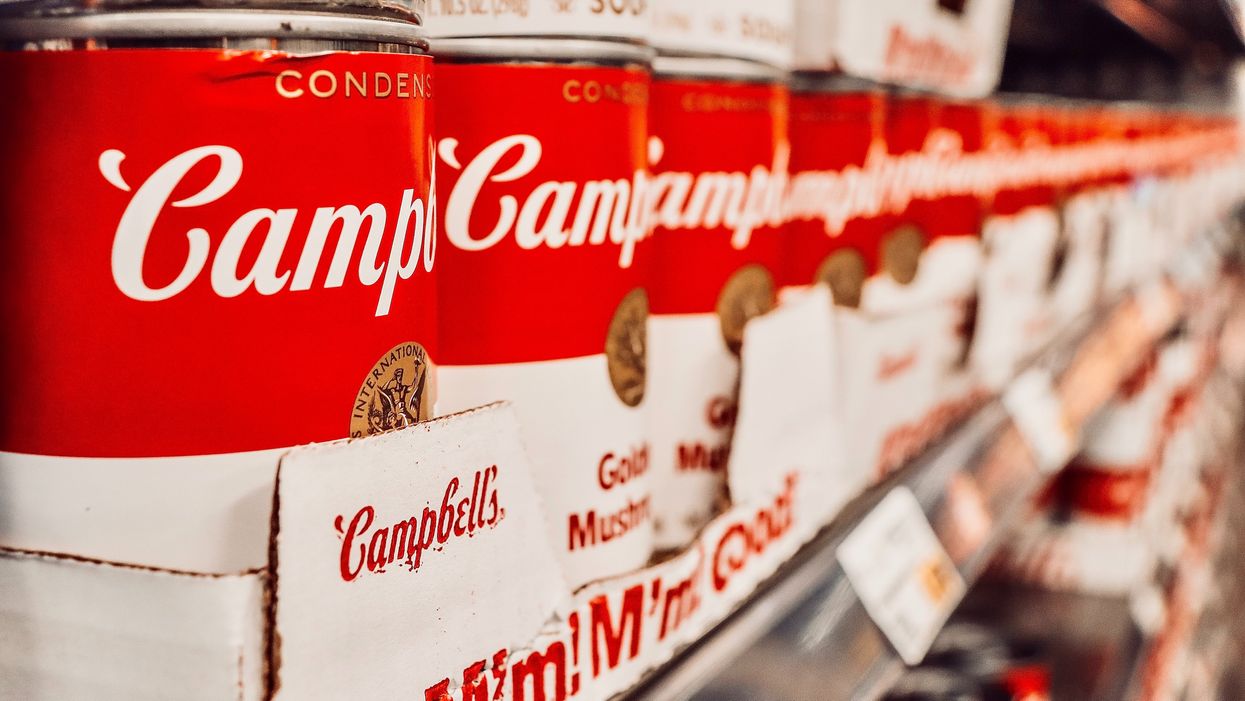
After months of elevated inflation and interest rate hikes that have the potential to cool demand, consumers are showing more signs of shifting behavior.
It’s showing up in retail sales data, but there’s also evidence in the observations of the brands responsible for grocery store staples.
The latest example came this week from Campbell Soup Company. CEO Mark Clouse told analysts that the consumer continues to be “resilient” despite continued price increases on food, but found that “consumers are beginning to feel that pressure” as time goes on.
This shows up in the categories they are buying. Overall, Clouse said Campbell sees a shift toward shelf-stable items, and away from more expensive prepared foods.
There is also change in when they make purchases. People are buying more at the beginning of the month. That’s because they are stretching paychecks as long as possible.
These shifts change how the company is communicating with consumers.
Clouse said the changes in behavior are an opportunity to “focus on value within our messaging without necessarily having to chase pricing all the way down.”
“No question that it's important that we protect affordability and that we make that relevant in the categories that we're in," Clouse said. "But I also think there's a lot of ways to frame value in different ways, right?”
A meal cooked with condensed soup may be cheaper than picking up a frozen item or ordering out. Consumers just need a reminder. Even within Campbell’s own portfolio, the company can elevate brands that have more value now, even if they may not always get the limelight.
The open question is whether the shift in behavior will begin to show up in the results of the companies that have raised prices. Campbell’s overall net sales grew 5% for the quarter ended April 30, while gross profit margins held steady around 30%. But the category-level results were more uneven. U.S. soup sales declined 11%, though the company said that was owed to comparisons with the quarter when supply chains reopened a year ago and expressed confidence that the category is seeing a longer-term resurgence as more people cook at home following the pandemic. Snacks, which includes Goldfish and Pepperidge Farm, were up 12% And while net sales increased overall, the amount of products people are buying is declining. Volumes were down 7%.
These are trends happening across the grocery store. Campbell is continuing to compete. It is leading with iconic brands, and a host of different ways to consume them. It is following that up with innovation that makes the products stand out. Then, it is driving home messaging that shows consumers how to fit the products into their lives, and even their tightening spending plans.
Campbell Soup is more than 150 years old, and has seen plenty of difficult economic environments. It is also a different business today, and will continue to evolve. At the end of the day, continued execution is what’s required.
“If it's good food, people are going to buy it, especially if it's a great value,” Clouse said.