Retail Channels
10 November 2022
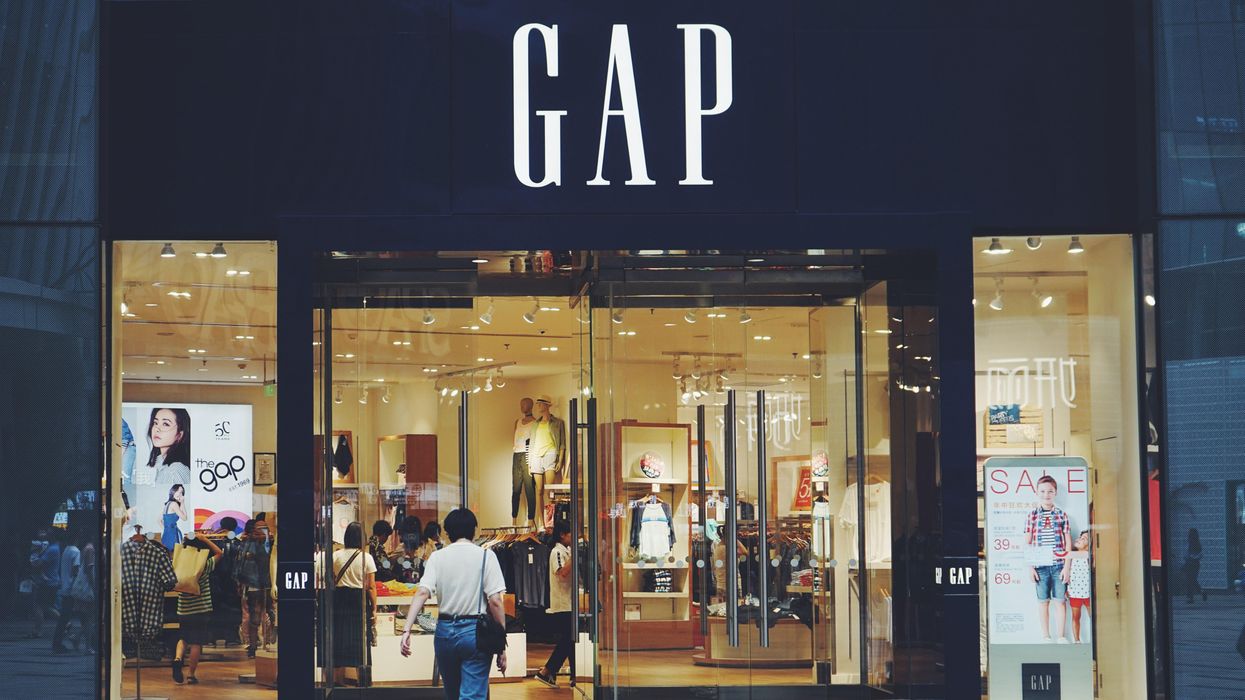
Gap is opening a storefront on Amazon
The retailer is the latest name brand to start selling on the ecommerce marketplace.

The retailer is the latest name brand to start selling on the ecommerce marketplace.
Once, Amazon was seen as overtaking the mall. Now, the mall is coming to Amazon.
The latest sign came Thursday, as Gap announced that it will begin selling apparel through Amazon Fashion.
Gap said that it will have a dedicated brand store on Amazon. The available apparel will include “basic, modern essentials for the family,” the brand said, including hoodies, T-shirts, denim, socks, underwear and sleepwear for adults, teens, kids and baby. Additionally, babyGap-branded items will be available, including nursery furniture and baby gear like strollers, bassinets, cribs and more.
Customers will be able to shop items by searching for “Gap,” and they will be available for delivery through Amazon’s Prime service.
“Collaborating with Amazon Fashion provides us a new channel to deliver Gap’s modern American essentials to even more customers in the U.S. and Canada," said Mark Breitbard, President and CEO, Gap brand. “We are excited to take this step with Amazon Fashion, to expand our product offering and to deepen our connection with consumers through the Gap brand store.”
The move comes as Gap is among a number of retailers that are seeking to move inventory as a result of a pileup that happened due to supply chain issues. There has also been a pullback at the retailer. Parent company Gap Inc. cut 500 corporate jobs earlier this year, and saw the exit of company CEO Sonia Syngal and Old Navy CEO Nancy Green.
Gap marks the latest brand to open an Amazon storefront this year, following Victoria’s Secret beauty and Peloton. There has long been a debate among retailers about signing on with the ecommerce giant. On the one hand, it draws massive traffic, and consumers may be already searching for a brand's products on the site, anyway. On the other hand, Amazon owns of consumer data, as well as the wholesale structure through the 1P arrangement. However, Amazon has appeared to position itself as being friendlier to the mall-based retailers it once disrupted. One new Prime service is delivering items from retail stores to nearby customers.
“At Amazon Fashion, we continuously expand our product offerings for our customers,” said Muge Erdirik Dogan, President of Amazon Fashion. “We’re excited to make shopping for Gap products even more convenient for customers with fast, free Prime delivery.”
Campbell Soup Company CEO Mark Clouse offered thoughts on messaging amid inflationary shifts in consumer behavior.
After months of elevated inflation and interest rate hikes that have the potential to cool demand, consumers are showing more signs of shifting behavior.
It’s showing up in retail sales data, but there’s also evidence in the observations of the brands responsible for grocery store staples.
The latest example came this week from Campbell Soup Company. CEO Mark Clouse told analysts that the consumer continues to be “resilient” despite continued price increases on food, but found that “consumers are beginning to feel that pressure” as time goes on.
This shows up in the categories they are buying. Overall, Clouse said Campbell sees a shift toward shelf-stable items, and away from more expensive prepared foods.
There is also change in when they make purchases. People are buying more at the beginning of the month. That’s because they are stretching paychecks as long as possible.
These shifts change how the company is communicating with consumers.
Clouse said the changes in behavior are an opportunity to “focus on value within our messaging without necessarily having to chase pricing all the way down.”
“No question that it's important that we protect affordability and that we make that relevant in the categories that we're in," Clouse said. "But I also think there's a lot of ways to frame value in different ways, right?”
A meal cooked with condensed soup may be cheaper than picking up a frozen item or ordering out. Consumers just need a reminder. Even within Campbell’s own portfolio, the company can elevate brands that have more value now, even if they may not always get the limelight.
The open question is whether the shift in behavior will begin to show up in the results of the companies that have raised prices. Campbell’s overall net sales grew 5% for the quarter ended April 30, while gross profit margins held steady around 30%. But the category-level results were more uneven. U.S. soup sales declined 11%, though the company said that was owed to comparisons with the quarter when supply chains reopened a year ago and expressed confidence that the category is seeing a longer-term resurgence as more people cook at home following the pandemic. Snacks, which includes Goldfish and Pepperidge Farm, were up 12% And while net sales increased overall, the amount of products people are buying is declining. Volumes were down 7%.
These are trends happening across the grocery store. Campbell is continuing to compete. It is leading with iconic brands, and a host of different ways to consume them. It is following that up with innovation that makes the products stand out. Then, it is driving home messaging that shows consumers how to fit the products into their lives, and even their tightening spending plans.
Campbell Soup is more than 150 years old, and has seen plenty of difficult economic environments. It is also a different business today, and will continue to evolve. At the end of the day, continued execution is what’s required.
“If it's good food, people are going to buy it, especially if it's a great value,” Clouse said.