Brand News
24 February 2023
Glossier debuts at Sephora in the U.S., Canada
The digitally native beauty brand was already one of the most-searched at Sephora.

A Glossier gondola at Sephora. (Courtesy photo)

The digitally native beauty brand was already one of the most-searched at Sephora.
A Glossier gondola at Sephora. (Courtesy photo)
It’s official: Glossier is now available at Sephora.
The news: Glossier made its debut at Sephora stores in the U.S. and Canada. It marks the first wholesale partnership for the digitally-native beauty brand, which has been working under new CEO Kyle Leahy to expand beyond the DTC strategy that made it one of the most successful and influential startup brands of the last decade.
How it works:
As of Feb. 23, Glossier products are available on shelves at 600 Sephora stores, online and in the Sephora app. The companies said the assortment will include Glossier “staples and soon-to-be new favorites.”
Glossier shoppers will also be able to partake in Sephora’s loyalty program, called Beauty Insider, that unlocks perks and points.
Glossier will have its own display, called a gondola, inside Sephora stores, aiming to bring the brand’s iconic pink to the black-and-white backdrop of Sephora.
The display will include elements from Glossier's existing brick-and-mortar stores. These include Glossier’s “wavy tray tester system,” which allows trays to be easily rearranged for future products. The display also includes ‘You Look Good’ mirrors.
Key quote from Glossier CEO Kyle Leahy: "Glossier is built on community, and Sephora is not only an iconic global retailer but also embodies our commitment to community. It is a beauty destination and the perfect partner for Glossier's first-ever retail relationship. We both strive to celebrate the joys of beauty discovery and it's where so many of our customers are already shopping.”
Partnership announced in March: The agreement was initially announced in July, and signaled a shift among digitally native brands to embrace more traditional retail strategies as consumers returned to stores and privacy-oriented changes in digital advertising curtailed the attribution-powered performance marketing engine.
Retail embrace: This isn't Glossier's first foray into brick-and-mortar. It has five physical stores, including a new location that opened in D.C. over the summer. However, it does show the brand embracing a wider retail strategy that will make its products available in more places. For a brand that had plenty of sellouts and thrived on buzz under founder Emily Weiss, that's a marked shift. It may also be a path to further scale. Glossier is already well-known. Selling in larger volumes at locations where shoppers may discover it while browsing can help it go further.
Realizing demand: While there is plenty of meaning behind a DTC darling embracing wholesale, there was plenty of business sense to the deal. At the time of the initial announcement, Glossier was already one of the most-searched brands on Sephora. So, on one reading, it is simply going to a place where it can make good on existing demand. This is similar to DTC brands who become big enough to be widely searched on Amazon.
It’s a reminder to any brand: Have a clear picture not only of where your products are selling, but also where there are consumers who want to buy them. There are plenty of other considerations along the way, such as profitability and data ownership. But a baseline understanding of demand is an important first step.
Campbell Soup Company CEO Mark Clouse offered thoughts on messaging amid inflationary shifts in consumer behavior.
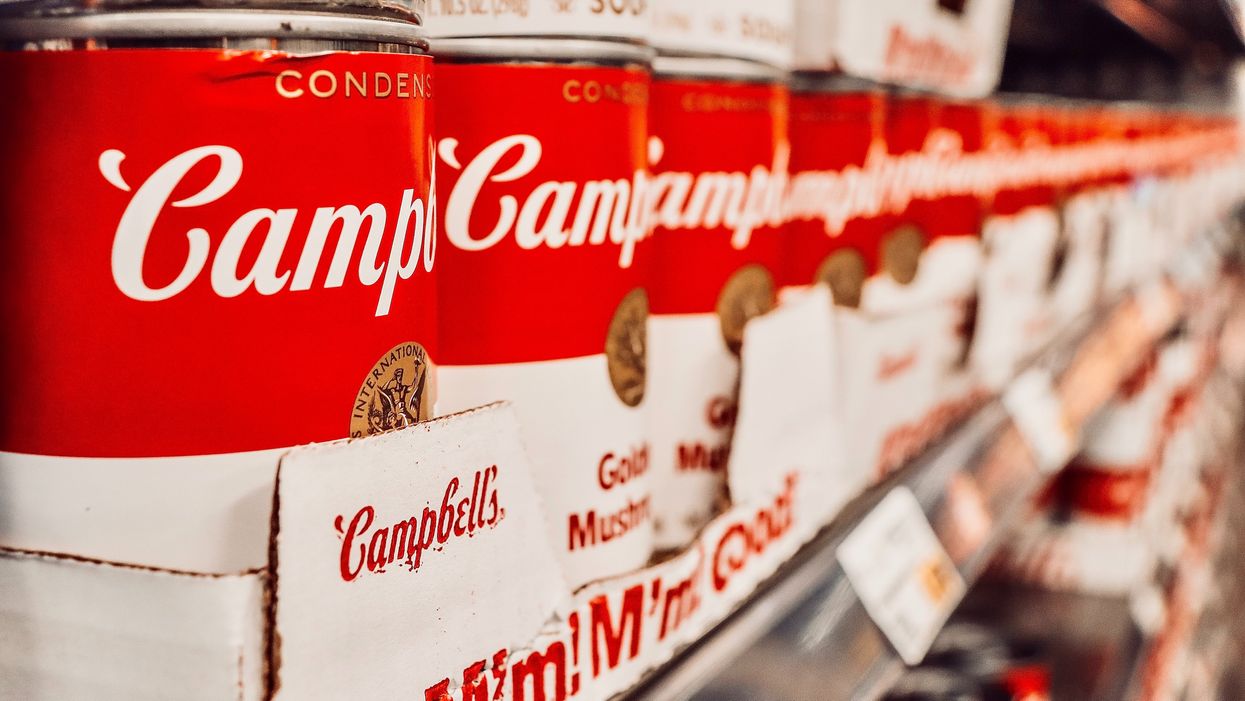
After months of elevated inflation and interest rate hikes that have the potential to cool demand, consumers are showing more signs of shifting behavior.
It’s showing up in retail sales data, but there’s also evidence in the observations of the brands responsible for grocery store staples.
The latest example came this week from Campbell Soup Company. CEO Mark Clouse told analysts that the consumer continues to be “resilient” despite continued price increases on food, but found that “consumers are beginning to feel that pressure” as time goes on.
This shows up in the categories they are buying. Overall, Clouse said Campbell sees a shift toward shelf-stable items, and away from more expensive prepared foods.
There is also change in when they make purchases. People are buying more at the beginning of the month. That’s because they are stretching paychecks as long as possible.
These shifts change how the company is communicating with consumers.
Clouse said the changes in behavior are an opportunity to “focus on value within our messaging without necessarily having to chase pricing all the way down.”
“No question that it's important that we protect affordability and that we make that relevant in the categories that we're in," Clouse said. "But I also think there's a lot of ways to frame value in different ways, right?”
A meal cooked with condensed soup may be cheaper than picking up a frozen item or ordering out. Consumers just need a reminder. Even within Campbell’s own portfolio, the company can elevate brands that have more value now, even if they may not always get the limelight.
The open question is whether the shift in behavior will begin to show up in the results of the companies that have raised prices. Campbell’s overall net sales grew 5% for the quarter ended April 30, while gross profit margins held steady around 30%. But the category-level results were more uneven. U.S. soup sales declined 11%, though the company said that was owed to comparisons with the quarter when supply chains reopened a year ago and expressed confidence that the category is seeing a longer-term resurgence as more people cook at home following the pandemic. Snacks, which includes Goldfish and Pepperidge Farm, were up 12% And while net sales increased overall, the amount of products people are buying is declining. Volumes were down 7%.
These are trends happening across the grocery store. Campbell is continuing to compete. It is leading with iconic brands, and a host of different ways to consume them. It is following that up with innovation that makes the products stand out. Then, it is driving home messaging that shows consumers how to fit the products into their lives, and even their tightening spending plans.
Campbell Soup is more than 150 years old, and has seen plenty of difficult economic environments. It is also a different business today, and will continue to evolve. At the end of the day, continued execution is what’s required.
“If it's good food, people are going to buy it, especially if it's a great value,” Clouse said.