Marketing
02 February 2023
e.l.f. Beauty results radiate, thanks to virality and loyalty
Product innovation, marketing and ecommerce helped boost sales 49% in the holiday quarter.
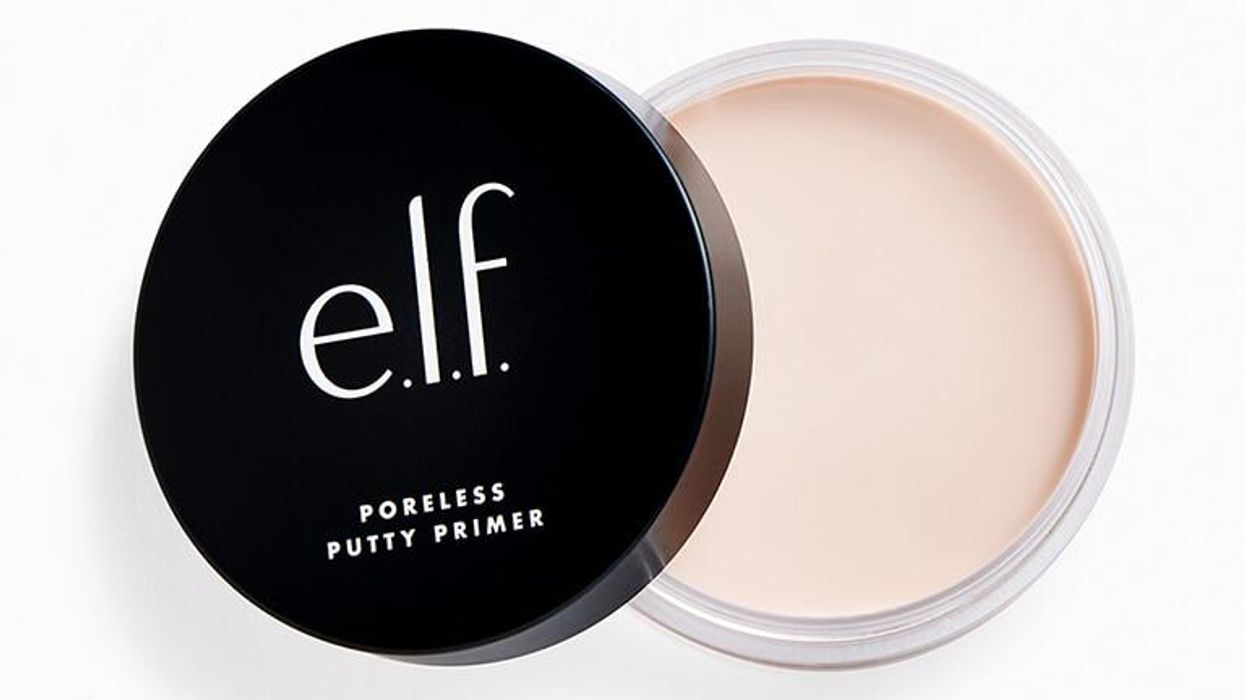
e.l.f. beauty Poreless Putty Primer. (Courtesy photo)
The clouds are getting darker in today's retail environment, but e.l.f. Beauty is shining. Digital commerce and marketing growth is a primary reason.
The makeup and skincare brand posted the following results for the quarter ended Dec. 31, 2022:
The brand is also outperforming category trends. The cosmetics category grew 8% over 2021, while e.l.f. grew 36%.
“We grew our market share by 150 basis points and increased our rank to the #4 brand as compared to #5 a year ago,” CEO Tarang Amin told analysts. “We continue to be the fastest-growing top five brand by a wide margin.”
The strong results proved validating for a brand that prides itself on offering affordable cosmetics, and digital-forward marketing. They were also another sign of the resurgence of beauty as people return to in-person experiences post-pandemic and seek affordable luxuries that can provide joy despite tougher economic conditions.
Here’s a breakdown of the digital drivers of growth for e.l.f., and how it is showing strong results in a tough economic environment:
@meghantrainor A special @elfyeah radiance report: It's an E.L.F.ING GLOW STORM! Please exercise ✨extreme iridescence!✨ (and thank you @weatherchannel for inspiring the glowcast!)🤍 #elfpartner
The brand prides itself on marketing that is both bold and pioneering on emerging channels.
One example came in the form of a holiday kickoff with the singer Meghan Trainor delivering a Weather Channel-informed report on social channels to celebrate the restock of the brand’s Halo Glow Liquid Filter, which was a viral sensation.
“The trifecta of e.l.f., The Weather Channel and Meghan Trainor helped us reach new audiences and entertain our community,” Amin said. “The campaign generated over five billion press impressions, exceeding last year's holiday campaign by a wide margin.”
The combination of innovation on product and virality in marketing helps attract a new audience for the brand.
“They see the viral buzz,” Amin said. “They see other people talking about this prestige quality, these great prices and particularly these days with platforms like TikTok, we get consumers doing their own demonstrations and comparisons.”
When it comes to metrics, Amin said the brand explores, “What percent behind each product are we pulling in new users?”
It's often up more than 50%, and attracts the core consumer in Gen Z as well as millennials and Gen X.
“I think the quality of these products at the prices we have and our ability to engage them really are attracting even more consumers to our franchise,” Amin said.
e.l.f. also deepened its marketing investment. The overall share of marketing is now 16%, as compared to 7% three years ago. It will increase to 17-19% this fiscal year.
“We recently completed our annual Nielsen marketing mix analysis and again saw exceptional ROI results, giving us further confidence that our marketing and digital initiatives are driving brand demand and delivering profitable growth,” Amin said.
Strong ROIs were observed across digital advertising and influencer marketing, while PR was “off the charts,” Amin said. Experimentation also plays a key role in developing these channels.
“The other thing about us is, we're not afraid to test and learn our new platforms. So we were one of the first beauty brands on TikTok. In the early days, it was hard to get attribution on TikTok. We now can see almost immediately when something goes viral on TikTok, the impact it has on our business and our ability to be able to attract that,” Amin said.
When it comes to ecommerce, Q3 digital consumption trends were up over 75% year-over-year, said CFO Mandy Fields. Digital channels drove 17% of total consumption in Q3, up from 14% a year ago. In the quarter that includes the holidays, digital channels were particularly strong through Black Friday and Cyber Monday.
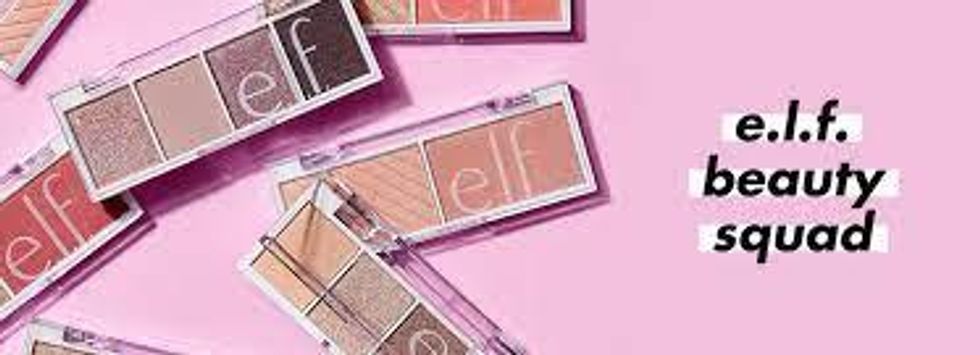
A big point of emphasis for digital growth is the company’s Beauty Squad loyalty program, which provides early access, exclusives, free gifts and bonus points. The program grew enrollment 25% year-over-year to 3.5 million members. The loyalty program helps to boost the value of individual customers.
“Our loyalty members drive almost 70% of our sales on elfcosmetics.com have higher average order values, purchase more frequently, have stronger retention rates and are a rich source of first-party data,” CFO Mandy Fields said.
Plenty of brands and retailers reporting earnings over this week are speaking of a slowdown in demand as a result of inflation and cooling demand in the economy. They also talk of consumers trading down to more affordable and smaller products that challenge margins. Amin batted away that kind of talk.
“No, we've not seen any slowdown in demand,” Amin said.
The response spoke to the unique place that beauty sits in this moment.
“What I'd tell you is, historically, mass color cosmetics, mass skin care has fared really well in…recessionary environments,” he said, referring to the Lipstick Index that posits beauty sales rise during economic downturns as people seek the small joys when they have less to spend on bigger items.
But there’s also a timing factor coming out of the pandemic.
“This is a category that really did suffer during the pandemic when people were restricted from their normal behavior,” Amin said. “So I've long felt there's a lot of pent-up consumer demand for the categories in which we compete, and we very much are seeing that.”



Ryan Cohen is executive chairman of GameStop. (Photo by Flickr user Bill Jerome, used under a Creative Commons) license.
GameStop announced the termination of Matthew Furlong as CEO on Wednesday. A brief statement did not provide a reason for the firing.
With the move, Chewy founder and activist investor Ryan Cohen was named executive chairman of the video game retailer. Cohen will be responsible for capital allocation and overseeing management.
It came as the company reported a 10% year-over-year decline in net sales for the first quarter. Meanwhile, the company’s net loss improved by 62%.
In an SEC filing, GameStop further added this “We believe the combination of these efforts to stabilize and optimize our core business and achieve sustained profitability while also focusing on capital allocation under Mr. Cohen’s leadership will further unlock long-term value creation for our stockholders.”
Cohen was revealed as GameStop's largest shareholder when he disclosed a 10% stake in the retailer in 2020. GameStop went on to become a leading name in the meme stock rise of 2021.
Mark Nenow is stepping down as president of the Sorel brand in order to focus on his health.
After rising to the role in 2015, Nenow spearheaded a transformation of Columbia Sportswear-owned Sorel from a men’s workwear brand to a fashion-focused brand that led with a women’s offering of boots, sandals and sneakers.
“Mark led the brand to sales of $347 million in net sales in 2022,” said Columbia Sportswear CEO Tim Boyle, in a statement. “His leadership has been invaluable to this company, and we wish him the very best.”
Columbia will conduct a search for Nenow’s replacement. Craig Zanon, the company’s SVP of emerging brands, will lead Sorel in the interim.
Beautycounter appointed board member Mindy Mackenzie as interim CEO, succeeding Marc Rey. According to the brand, Rey and the board “mutually decided to transition to a new phase of leadership for Beautycounter.”
McKenzie, a former executive at Carlyle, McKinsey and Jim Beam, will lead the company as it conducts a search for a permanent CEO. Additionally, former Natura & Co CEO Roberto Marques will join Beautycounter’s board as chair.
As part of the transition, Nicole Malozi is also joining the company as chief financial officer. She brings experience from Tatcha, Nike, and DFS Group Limited.
Melissa Nick, a VP of customer fulfillment for North America at Amazon, will leave the company, effective June 16, CNBC reported. Nick joined the company in 2014, and oversaw a region that included nearly 300 fulfillment centers. After doubling its supply chain footprint during the pandemic, Amazon recently reorganized its fulfillment operations to take a regional approach, as opposed to a national model that often resulted in items shipping across the country.
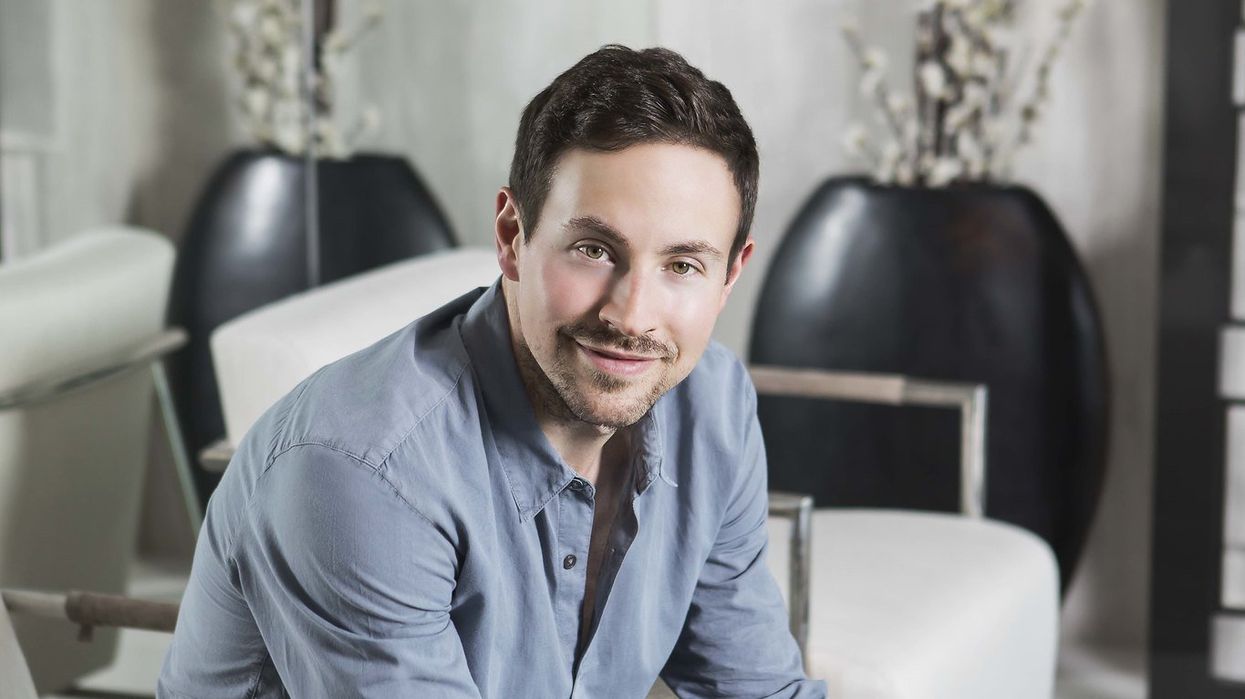
Jon Blotner (Courtesy photo)
Steve Oblak will retire from the role of chief commercial officer at home goods marketplace Wayfair. With the move, Jon Blotner will be promoted to chief commercial officer.
"Steve has served as a critical part of our leadership team and played a pivotal role in Wayfair's growth, helping us grow from a $250 million business when he joined to $12 billion in net revenue today,” said Wayfair CEO Niraj Shah, in a statement. “He oversaw countless milestones, from helping to launch the Wayfair brand as we brought together hundreds of sites into a single platform, to launching new categories, business lines, and geographies while overseeing our North American and European businesses, to leading our debut into physical retail.”
Blotner previously oversaw exclusive and specialty retail brands, as well as digital media at Wayfair. Before joining the company, he served as president of Gemvara.com prior to its 2016 acquisition by Berkshire Hathaway.
Furniture retailer Lovesac said Donna Dellomo will retire as EVP and CFO, and move to an advisory role, effective June 30. Dellomo was with Lovesac for six years.
Keith Siegner was appointed as the next EVP and CFO. He brings experience as CFO of esports company Vindex, as well as executive roles at Yum! Brands, UBS Securities and Credit Suisse.
Additionally, Jack Krause will retire from the role of chief strategy officer, effective June 30. His responsibilities will be divided between CEO Shawn Nelson and president Mary Fox.
“Since joining Lovesac, Jack has played an instrumental role in transforming the Company into a true omni channel retailer by helping expand our physical touchpoints and digital platform as we continue to disrupt the industry,” said Nelson, in a statement.
The National Retail Federation announced the addition of five new board members. They include:


