Marketing
29 July 2022
The Choco Taco and ever-present nostalgia
An announcement that discontinued a beloved treat shows the pull of memory.
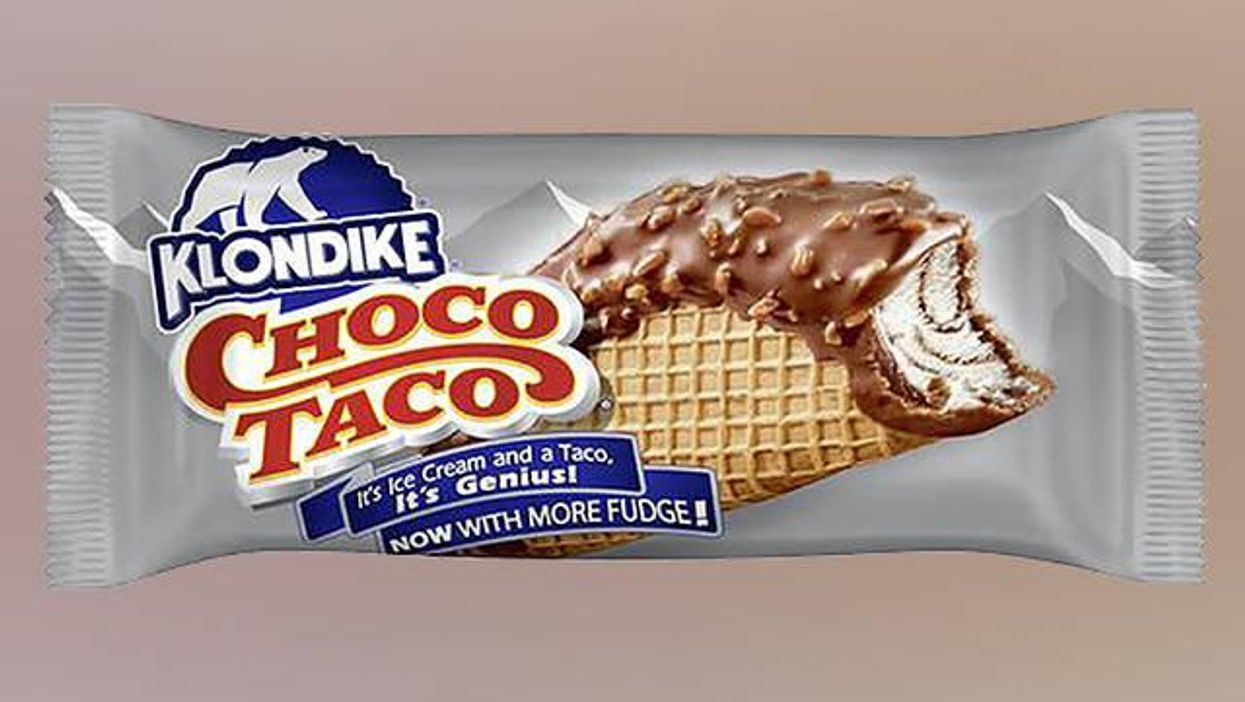
Choco Taco's demise pulled at the heartstrings. (Photo: Unilever)

An announcement that discontinued a beloved treat shows the pull of memory.
Choco Taco's demise pulled at the heartstrings. (Photo: Unilever)
Peruse the lineup of recent brand collaborations and new releases, and a flood of nostalgia-driven media, products, oral histories, sequels and anniversary events will start standing out.
Kellogg’s recently partnered with Nickelodeon, and the focus was a throwback to the slime era of the 1990s. On Netflix, the latest season of Stranger Things reminds us that the series doubles as a thriller and a trip through the 80s, presenting plenty of brand collaboration opportunities along the way. Meanwhile, one of the nation's biggest music festivals of the fall is called When We Were Young.
The pace and consistency of these memory-invoking moves begs the question: Why is a consumer culture that’s always looking for what’s next so obsessed with the past?
For one perspective on what's at work here, let’s unwrap the recent exit of the Choco Taco.
On Monday, Unilever-owned Klondike announced that it was discontinuing the beloved, frozen treat that made tacos sweet.
Like many developments over the past two years, this news was deemed the result of a mismatch between supply and demand.
“Over the past 2 years, we have experienced an unprecedented spike in demand across our portfolio and have had to make very tough decisions to ensure availability of our full portfolio nationwide,” the brand wrote on Twitter.
\u201c@basicwitchxbts Unfortunately, the Choco Taco has been discontinued in both 1ct and 4ct packs. Over the past 2 years, we have experienced an unprecedented spike in demand across our portfolio and have had to make very tough decisions to ensure availability of our full portfolio nationwide.\u201d— Meg\u2077 2!3! NeverNeverFall (@Meg\u2077 2!3! NeverNeverFall) 1658575560
An outcry on the internet followed. Headlines talked of people in mourning. Many talked about not only their love for the combination of tasty dessert and Mexican staple, but also the memories associated with it.
The catch is that many more who were moved by its demise probably haven't had a Choco Taco in a while.
As The Guardian put it, “Some Twitter mourners admitted that they had not had a Choco Taco since childhood, but the pain was real.”
They remember the taste of the Choco Taco, and how that made them feel. Maybe, it even harkened back to where they were when they would eat it.
That doesn't just tap into what’s in a person's head, or their hunger. It also pulls at their heart, producing some combination of longing and satisfaction.
That's a powerful emotion for a product to inspire.
\u201cDear @Unilever \u2014 I'd like to buy the rights to your Choco Taco and keep it from melting away from future generations' childhoods.\u201d— AlexisOhanian7\ufe0f\u20e37\ufe0f\u20e36\ufe0f\u20e3 (@AlexisOhanian7\ufe0f\u20e37\ufe0f\u20e36\ufe0f\u20e3) 1658777606
As this sentiment took hold, sudden last-ditch efforts to preserve the Choco Taco emerged. US Senator Chris Murphy proposed invoking the Defense Product Act. Reddit cofounder and venture capitalist Alexis Ohanian offered to buy the rights to the product, and make more. An artist preserved it in 3D, and was hailed as a hero.
As humans, we want to hold onto that tangible connection to the past, even if we hadn't thought about it in a while. Factor in ice cream, and there's a strong chance that the memory is a joyful one.
As the news and remembrances made the rounds, rumors started emerging saying that the Choco Taco's cancellation may have been a marketing stunt. That's what happens when people want to hold onto it so badly.
Even if it's not something they seek out, knowing it's always there is comforting in and of itself.
Plus, people have seen comebacks before.
Klondike disavowed the rumors, saying the discontinuation was real. At the same time, a glint of hope emerged for some as the statement from Klondike suggested the brand was "discussing next steps."
\u201cI want to address the rumors: I\u2019m really being discontinued, it\u2019s not a PR stunt. I knew you loved me, but not THIS much. While I reflect on this outpouring of support, we are discussing next steps, including what to do with the last 912 (we counted) tacos at HQ. Stay tuned\u2026\u201d— Choco Taco (@Choco Taco) 1659029350
All the same, it had tapped into the same kind of nostalgia in a cancellation that brands hope to inspire with their new collaborations and releases. If Klondike executives were to bring it back, it feels like they could probably sell a few.
After all, you've now thought about the Choco Taco for the first time in years.
Campbell Soup Company CEO Mark Clouse offered thoughts on messaging amid inflationary shifts in consumer behavior.
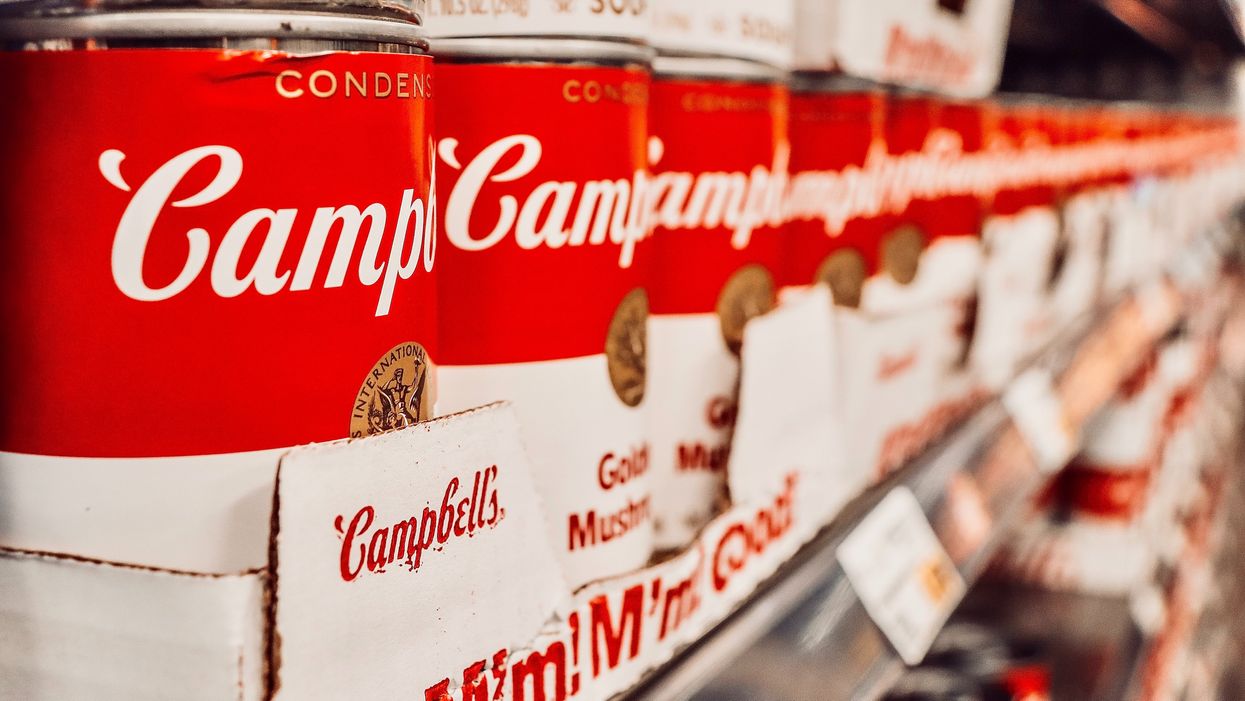
After months of elevated inflation and interest rate hikes that have the potential to cool demand, consumers are showing more signs of shifting behavior.
It’s showing up in retail sales data, but there’s also evidence in the observations of the brands responsible for grocery store staples.
The latest example came this week from Campbell Soup Company. CEO Mark Clouse told analysts that the consumer continues to be “resilient” despite continued price increases on food, but found that “consumers are beginning to feel that pressure” as time goes on.
This shows up in the categories they are buying. Overall, Clouse said Campbell sees a shift toward shelf-stable items, and away from more expensive prepared foods.
There is also change in when they make purchases. People are buying more at the beginning of the month. That’s because they are stretching paychecks as long as possible.
These shifts change how the company is communicating with consumers.
Clouse said the changes in behavior are an opportunity to “focus on value within our messaging without necessarily having to chase pricing all the way down.”
“No question that it's important that we protect affordability and that we make that relevant in the categories that we're in," Clouse said. "But I also think there's a lot of ways to frame value in different ways, right?”
A meal cooked with condensed soup may be cheaper than picking up a frozen item or ordering out. Consumers just need a reminder. Even within Campbell’s own portfolio, the company can elevate brands that have more value now, even if they may not always get the limelight.
The open question is whether the shift in behavior will begin to show up in the results of the companies that have raised prices. Campbell’s overall net sales grew 5% for the quarter ended April 30, while gross profit margins held steady around 30%. But the category-level results were more uneven. U.S. soup sales declined 11%, though the company said that was owed to comparisons with the quarter when supply chains reopened a year ago and expressed confidence that the category is seeing a longer-term resurgence as more people cook at home following the pandemic. Snacks, which includes Goldfish and Pepperidge Farm, were up 12% And while net sales increased overall, the amount of products people are buying is declining. Volumes were down 7%.
These are trends happening across the grocery store. Campbell is continuing to compete. It is leading with iconic brands, and a host of different ways to consume them. It is following that up with innovation that makes the products stand out. Then, it is driving home messaging that shows consumers how to fit the products into their lives, and even their tightening spending plans.
Campbell Soup is more than 150 years old, and has seen plenty of difficult economic environments. It is also a different business today, and will continue to evolve. At the end of the day, continued execution is what’s required.
“If it's good food, people are going to buy it, especially if it's a great value,” Clouse said.