Retail Channels
20 March 2023
Amazon, Rite Aid team up to offer 2-hour delivery
Amazon is enabling fast delivery from the drug store.
Photo by Christian Wiediger on Unsplash

Amazon is enabling fast delivery from the drug store.
Amazon is seeking to continue to grow its delivery network through a partnership with another retailer.
The news: Amazon is partnering with Rite Aid to test out two-hour delivery in a pair of markets. The service will provide delivery of personal care items in Newark, New Jersey, and Burbank, California. Shopping is completed through Amazon, and a landing page is now live.
How it works:
Key quote from Amazon: “Rite Aid’s availability on Amazon provides our local Prime members in Newark, New Jersey, and Burbank, California, with even more selection and convenience as they continue to shop for health and personal care, cosmetics and grocery essentials online and trust they will be delivered to their door fast. We’re consistently looking for ways to offer more choice, flexibility and value for Prime members, so we look forward to expanding our two-hour delivery window offering to more Rite Aid locations in the future.”
Store to door: As it continues to grow its logistics network, Amazon is increasingly working with other retailers to provide delivery services. For the ecommerce giant, this represents a business line that allows the delivery network it built for its own use to be accessed by others. It also helps to grow Amazon’s assortment, which has long been a key part of the company’s flywheel that brings advantages on price and customer loyalty. It builds on an announcement from last year, when Amazon debuted a new service that provided delivery from mall-based retailers.
Drug store + delivery: The partnership signals Amazon’s entrance into an area of retail that has not been as quick to adopt the fast delivery model. Drug stores prize their local proximity to populations, making omnichannel offerings in-store pickup a highlight of digital offerings. While they have offered ecommerce, drug stores have not built out logistics networks. This means they work with other providers. In this case, Amazon is entering the fold, signaling it sees an opening in the market. While no pharmacy delivery is available now, it wouldn't be a stretch to see the company explore this area, given its interest in expanding into healthcare via the recent acquisition of primary care service One Medical.
Convenience + time: The ever-increasing capabilities of Amazon to deliver quickly and the emergence of instant delivery services like Gopuff are raising customer expectations that items can be at their door soon after they are ordered. This is creating more demand for the everyday and convenience items available at drug stores. Some delivery providers, like Uber, are partnering with convenience stores to provide fast delivery. Amazon and Rite Aid are showing a path through the drug store. As noted above, Rite Aid’s many locations at the neighborhood-level could serve as an advantage. While the service is available in two markets now, Rite Aid has plans to expand it to more of its 2,244 locations around the country.
“Our customer-centric approach complements the busy lives of our consumers to conveniently meet them where they are, which is why we are excited to team up with Amazon to provide local Prime members convenient access to deliver everyday essentials right to their doorstep with two-hour delivery windows,” Rite Aid said in a statement.
Campbell Soup Company CEO Mark Clouse offered thoughts on messaging amid inflationary shifts in consumer behavior.
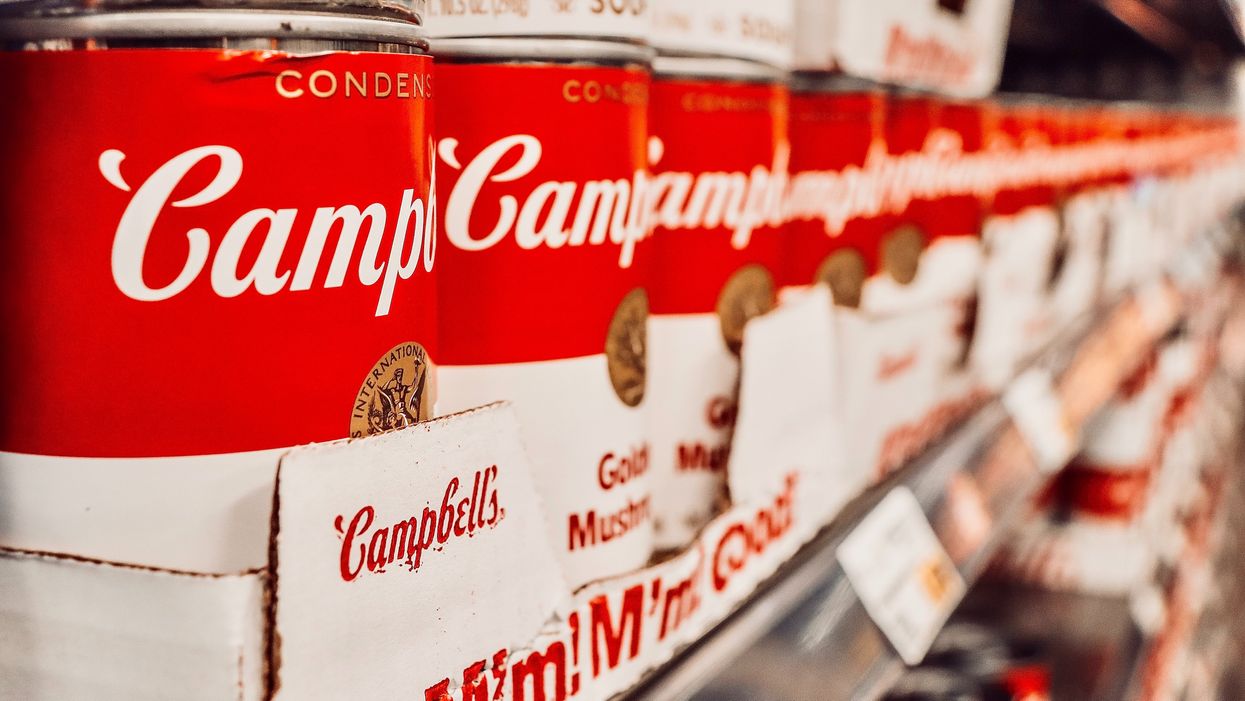
After months of elevated inflation and interest rate hikes that have the potential to cool demand, consumers are showing more signs of shifting behavior.
It’s showing up in retail sales data, but there’s also evidence in the observations of the brands responsible for grocery store staples.
The latest example came this week from Campbell Soup Company. CEO Mark Clouse told analysts that the consumer continues to be “resilient” despite continued price increases on food, but found that “consumers are beginning to feel that pressure” as time goes on.
This shows up in the categories they are buying. Overall, Clouse said Campbell sees a shift toward shelf-stable items, and away from more expensive prepared foods.
There is also change in when they make purchases. People are buying more at the beginning of the month. That’s because they are stretching paychecks as long as possible.
These shifts change how the company is communicating with consumers.
Clouse said the changes in behavior are an opportunity to “focus on value within our messaging without necessarily having to chase pricing all the way down.”
“No question that it's important that we protect affordability and that we make that relevant in the categories that we're in," Clouse said. "But I also think there's a lot of ways to frame value in different ways, right?”
A meal cooked with condensed soup may be cheaper than picking up a frozen item or ordering out. Consumers just need a reminder. Even within Campbell’s own portfolio, the company can elevate brands that have more value now, even if they may not always get the limelight.
The open question is whether the shift in behavior will begin to show up in the results of the companies that have raised prices. Campbell’s overall net sales grew 5% for the quarter ended April 30, while gross profit margins held steady around 30%. But the category-level results were more uneven. U.S. soup sales declined 11%, though the company said that was owed to comparisons with the quarter when supply chains reopened a year ago and expressed confidence that the category is seeing a longer-term resurgence as more people cook at home following the pandemic. Snacks, which includes Goldfish and Pepperidge Farm, were up 12% And while net sales increased overall, the amount of products people are buying is declining. Volumes were down 7%.
These are trends happening across the grocery store. Campbell is continuing to compete. It is leading with iconic brands, and a host of different ways to consume them. It is following that up with innovation that makes the products stand out. Then, it is driving home messaging that shows consumers how to fit the products into their lives, and even their tightening spending plans.
Campbell Soup is more than 150 years old, and has seen plenty of difficult economic environments. It is also a different business today, and will continue to evolve. At the end of the day, continued execution is what’s required.
“If it's good food, people are going to buy it, especially if it's a great value,” Clouse said.